

Can Bronchitis Turn Into Pneumonia? How to Tell When a Cough Is Getting Worse
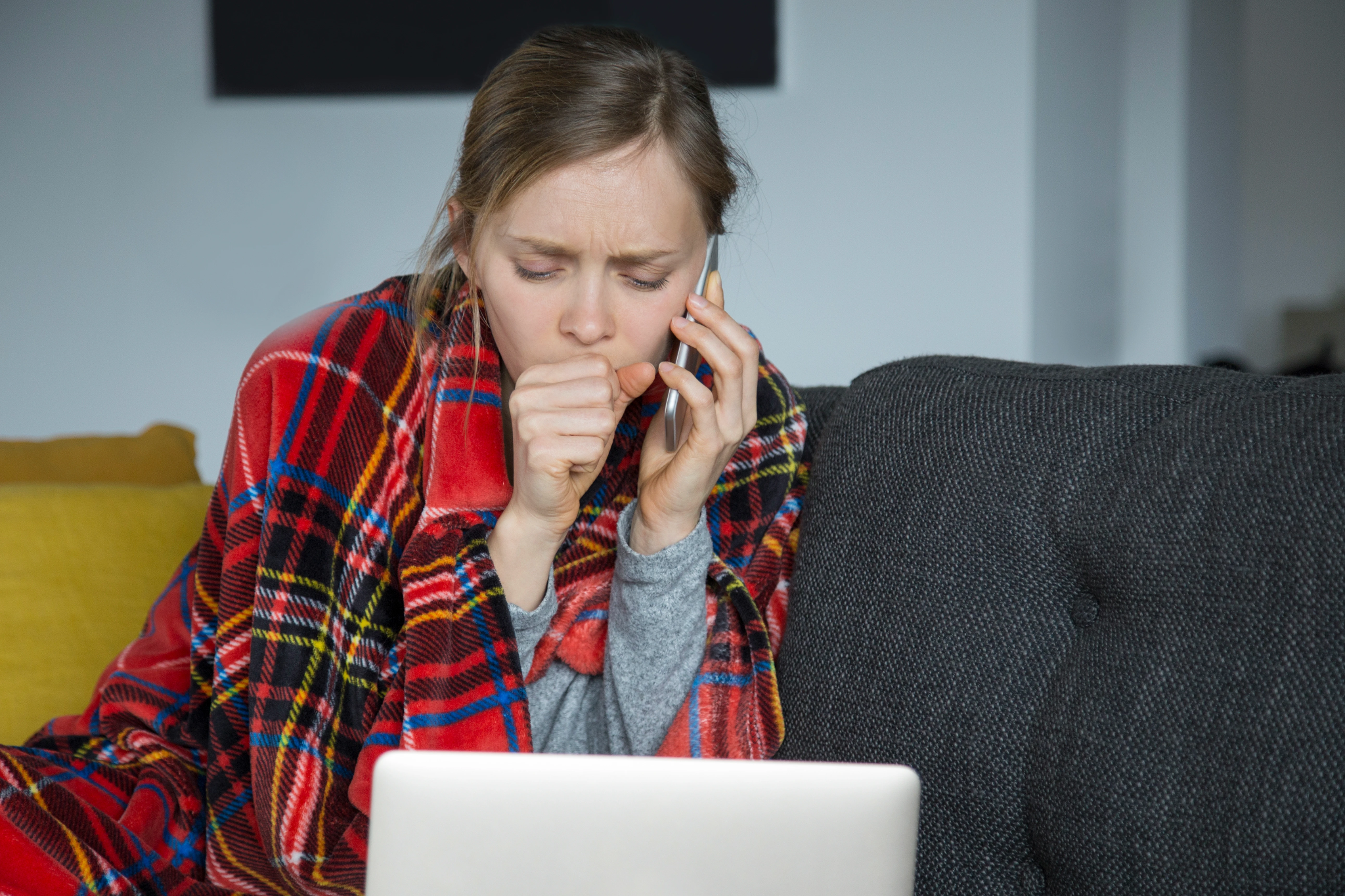
A cough that hangs on after a cold is something most of us have dealt with. Usually it is bronchitis, and it slowly fades on its own. But many patients ask us, "Can bronchitis turn into pneumonia?" Yes, it can. While it does not happen often, an infection in your airways can move deeper into your lungs, and pneumonia is a much more serious illness.
The key is noticing whether your symptoms are getting worse instead of better. If your cough comes with a high fever, trouble breathing, or chest pain, Memorial Springs ER in Spring, TX, is open 24/7.
Understanding the Difference Between Bronchitis and Pneumonia
Bronchitis and pneumonia both affect your respiratory system, but they affect different parts of it. Bronchitis is inflammation of the bronchial tubes, the main airways that carry air to your lungs. It usually follows a cold or the flu and causes a nagging cough with mucus. Most cases are viral and get better within one to three weeks.
Pneumonia is an infection of the air sacs (alveoli) deep inside the lungs. These sacs can fill with fluid or pus, making it harder for oxygen to pass into your blood. Pneumonia can be caused by bacteria, viruses, or fungi, and it often makes people feel much sicker than bronchitis does.
How Bronchitis Can Lead to Pneumonia
There are two main ways this happens:
- The same virus or bacteria that caused bronchitis spreads further down into the lungs.
- Your irritated airways can become a target for a new bacterial infection, known as a secondary infection.
Your body's defenses are already busy fighting the first infection, which can make it easier for a second one to take hold.
Who Is More Likely to Develop Pneumonia?
- Adults 65 and older.
- Infants and young children.
- People with asthma, COPD, or other lung diseases.
- People with heart disease, diabetes, or kidney disease.
- Smokers and people who vape.
- People with weakened immune systems, including those on chemotherapy or long-term steroids.
Signs Your Bronchitis May Be Turning Into Pneumonia
Pay attention to how your symptoms change over time. Bronchitis should slowly improve. Warning signs that something more serious is happening include:
- A fever that climbs above 102 degrees Fahrenheit or returns after going away.
- Shaking chills.
- Shortness of breath, even when resting.
- Sharp chest pain when you breathe in or cough.
- Fast breathing or a racing heart.
- Feeling much more tired or weak than before.
- Confusion, especially in older adults.
- Bluish lips or fingertips.
When to Go to the ER
Call 911 or go to the ER right away if you have trouble breathing, chest pain, bluish lips, confusion, or a very high fever. Older adults and people with lung or heart conditions should seek medical care sooner rather than later because pneumonia can become life-threatening and may lead to sepsis. For babies and young children, our pediatric emergency care team can assess breathing and oxygen levels right away.
How Pneumonia Is Diagnosed
A doctor will listen to your lungs for crackling or bubbling sounds and check your oxygen level with a pulse oximeter. A chest X-ray is the standard test to confirm pneumonia. Blood tests can show signs of infection and help guide treatment. With on-site imaging and lab services, our team can get answers quickly instead of sending you elsewhere for testing.
How Each Condition Is Treated
Bronchitis Treatment
Bronchitis is usually treated with rest, fluids, a humidifier, and over-the-counter medicine for cough and fever. Antibiotics typically do not help, since most cases are viral.
Pneumonia Treatment
Pneumonia treatment depends on the cause. Bacterial pneumonia is treated with antibiotics, and viral pneumonia caused by the flu or COVID-19 may be treated with antiviral medicine. People with low oxygen levels may need oxygen therapy or a hospital stay.
Tips to Help Prevent Pneumonia
- Rest and drink plenty of fluids when you have a chest cold.
- Stay current on flu, COVID-19, pneumococcal, and RSV vaccines.
- Do not smoke, and avoid secondhand smoke.
- Wash your hands often, especially during cold and flu season.
- Follow up with your doctor if your cough lasts more than three weeks.
Emergency Care for a Worsening Cough in Spring, TX
Most coughs fade on their own, but you know your body best, and getting checked is always the safer choice. Memorial Springs ER in Spring, TX, welcomes patients from Spring, Klein, Tomball, The Woodlands, and North Houston, with board-certified physicians and short waits.
Our Spring emergency room stays open 24 hours a day, 7 days a week, with on-site imaging and labs for quick answers. If your cough is getting worse, you do not have to wait for a regular appointment. Call 911 right away for life-threatening emergencies.
Key Takeaways
- Bronchitis can turn into pneumonia, though it does not happen often.
- Bronchitis affects the bronchial tubes and usually improves within one to three weeks. Pneumonia is an infection of the air sacs deep in the lungs and is much more serious.
- The biggest warning sign is getting worse instead of better, especially with a rising fever, trouble breathing, or chest pain.
- Adults 65 and older, young children, smokers, and people with lung disease, heart disease, diabetes, or weakened immune systems are at higher risk.
- Warning signs include a fever above 102°F, shaking chills, shortness of breath, sharp chest pain, confusion, and bluish lips or fingertips.
- Call 911 or go to the ER right away for trouble breathing, chest pain, confusion, bluish lips, or a very high fever.
- A chest X-ray is the standard test to confirm pneumonia.
- Staying current on vaccines, avoiding smoking, and washing your hands often can lower your risk.
Frequently asked questions
How Can I Know for Sure It Is Pneumonia?
The biggest clue is getting worse instead of better, especially a rising fever, trouble breathing, or chest pain. A chest X-ray is the only way to know for sure.
Is Pneumonia Contagious?
The germs that cause pneumonia can spread through coughs and sneezes, so cover your cough and wash your hands often.
Can You Walk Around With Pneumonia?
Yes. Mild cases, often called walking pneumonia, may not keep you in bed, but they still need medical care.
How Long Does It Take to Recover From Pneumonia?
Many people feel better in one to two weeks, but fatigue and a cough can last a month or longer.