

Can You Be Allergic To Mosquito Bites?
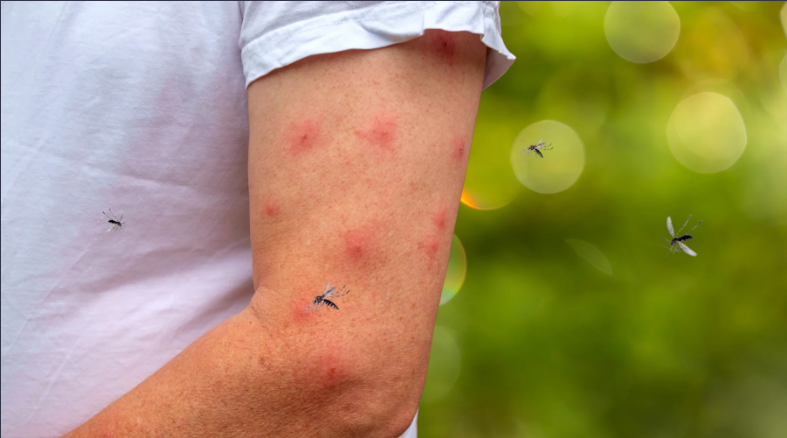
Have you ever experienced a mosquito bite that became unusually swollen, itchy, or painful while others around you barely noticed theirs? You may wonder, “can you be allergic to mosquito bites” when a small bite causes a much stronger reaction than expected. Yes, you can be allergic to mosquito bites. While most mosquito bites lead to mild, temporary irritation, some people develop an allergic response that causes intense itching, significant swelling, redness, and discomfort.
Most mosquito bite reactions improve on their own, but severe symptoms should not be ignored. If you experience worsening swelling, widespread hives, trouble breathing, dizziness, or swelling of the lips, tongue, or throat, seek emergency care. For prompt evaluation, urgent care near me 24 hours can help you find timely medical assistance. Recognizing serious allergy symptoms can help prevent complications.
What Causes a Mosquito Bite Allergy?
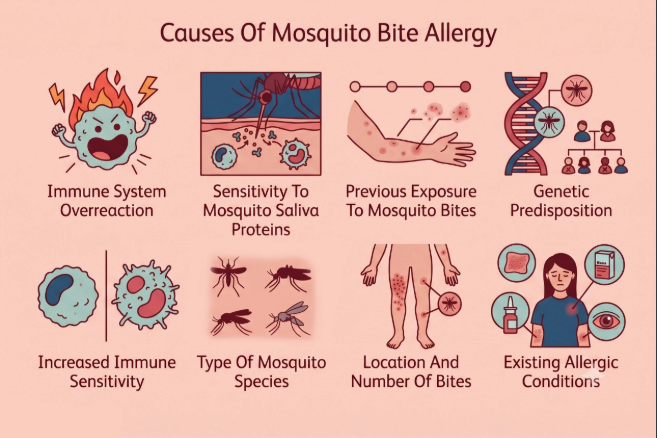
A mosquito bite allergy occurs when your immune system reacts more strongly than usual to proteins found in mosquito saliva. While most people experience only mild itching and redness, some develop more noticeable symptoms that can be uncomfortable and concerning. The severity of a reaction can vary from person to person depending on how the body responds. Understanding what triggers these reactions can help you recognize symptoms and take steps to reduce future discomfort.
Immune System Overreaction
A mosquito bite allergy often develops because the immune system mistakenly identifies mosquito saliva proteins as harmful substances. In response, the body releases chemicals like histamine that cause itching, redness, and swelling. Some people have a stronger immune response, leading to more severe symptoms. This reaction can make even a small bite feel painful and uncomfortable.
Sensitivity to Mosquito Saliva Proteins
Mosquito saliva contains proteins that help the insect feed, but these substances can trigger allergic reactions in sensitive individuals. The body may recognize these proteins as foreign and produce an exaggerated response. This can result in larger areas of swelling, increased itching, and prolonged irritation. Sensitivity levels can differ widely between people.
Previous Exposure to Mosquito Bites
Repeated exposure to mosquito bites may increase sensitivity in some individuals over time. The immune system can become more reactive after encountering mosquito saliva proteins multiple times. As a result, future bites may cause stronger swelling, redness, or itching. This is why some people notice worsening reactions after years of mosquito exposure.
Genetic Predisposition
Some people may be more likely to develop mosquito bite allergies because of inherited immune system traits. A family tendency toward allergies or heightened immune responses can increase sensitivity to insect bites. Genetics may influence how strongly the body reacts after a mosquito bite. However, environmental factors also play an important role.
Increased Immune Sensitivity
Individuals with generally sensitive immune systems may experience stronger reactions to mosquito bites. Their bodies may respond more intensely to substances that usually cause minor irritation. This heightened sensitivity can lead to larger welts, persistent itching, and increased inflammation. Managing triggers and protecting the skin can help reduce discomfort.
Type of Mosquito Species
Different mosquito species can produce saliva with varying proteins, which may affect how the body reacts. Some species are more likely to cause noticeable skin reactions in sensitive individuals. The location and type of mosquito exposure can influence the severity of symptoms. A stronger reaction does not always mean a more dangerous bite, but it should be monitored.
Location And Number Of Bites
The number of mosquito bites and where they occur on the body can affect how severe the reaction feels. Multiple bites may expose the immune system to more mosquito saliva proteins at once. Bites near sensitive areas, such as the face or joints, may also cause more noticeable swelling. Proper care can help reduce irritation and discomfort.
Existing Allergic Conditions
People with other allergic conditions may be more prone to stronger reactions from mosquito bites. Conditions such as eczema, hay fever, or other sensitivities can indicate a more reactive immune system. These individuals may experience more intense itching, swelling, or skin irritation after a bite. Recognizing this pattern can help with prevention and early care.
How Is A Mosquito Bite Allergy Diagnosed?
A mosquito bite allergy is diagnosed by reviewing your symptoms, medical history, and the skin’s reaction after a bite. A healthcare provider will examine the severity and duration of symptoms to determine whether they indicate an allergic response. Additional tests may be recommended in some cases to confirm sensitivity and rule out other conditions.
- Medical History Review: Your provider will ask about previous reactions, allergy history, and how quickly symptoms appear after mosquito bites. This helps identify patterns linked to allergic responses.
- Physical Examination: The affected area is checked for swelling, redness, itching, and raised welts. The appearance of the reaction helps determine its severity.
- Symptom Assessment: Doctors evaluate the timing, intensity, and duration of symptoms to see if they match an allergic reaction.
- Allergy Testing: Skin or other allergy tests may be used to check sensitivity to mosquito-related proteins and confirm an allergic response.
- Blood Tests: Blood tests may measure allergy-related antibodies and provide more information about your immune response.
- Rule Out Other Conditions: Your provider may check for infections or other insect bites that can cause similar symptoms.
When to Go to the ER
Most mosquito bite allergies cause mild to moderate symptoms, but some reactions can become serious and require immediate medical attention. Seek emergency care if symptoms become severe, spread quickly, or affect your breathing and overall health.
- Severe swelling that continues to worsen or spreads beyond the bite area.
- Difficulty breathing, wheezing, or tightness in the chest.
- Swelling of the lips, tongue, throat, or face.
- Dizziness, fainting, or signs of a severe allergic reaction.
- Widespread hives or intense skin reactions across the body.
- Signs of infection, such as increasing pain, warmth, pus, or fever.
At Memorial Spring ER, our team provides fast evaluation for severe allergic reactions, with an average ER wait time of under 12 minutes to help patients receive timely care when symptoms become urgent.
How to Treat Mosquito Bites Caused by an Allergic Reaction
Treatment for mosquito bite allergies focuses on reducing itching, swelling, and discomfort. Mild reactions often improve with home care, while more severe symptoms may require medications or medical treatment to prevent complications.
- Cold Compress: Applying a cold pack or cool cloth can reduce swelling, redness, and itching. Use it for 10–15 minutes to help soothe the affected area.
- Antihistamine Medications: Over-the-counter antihistamines can relieve itching and allergic symptoms. Most doctors recommend medicines such as diphenhydramine or cetirizine when suitable.
- Hydrocortisone Cream: This cream may reduce inflammation, redness, and itching around the bite. Most doctors recommend using it as directed for short-term relief.
- Calamine Lotion: Calamine lotion can soothe irritated skin and provide temporary relief from itching and discomfort caused by mosquito bites.
- Avoid Scratching The Bite: Keeping the area clean and avoiding scratching helps prevent skin damage and lowers the risk of infection.
- Prescription Treatments: Severe reactions may require stronger medications prescribed by a healthcare provider. Most doctors recommend these when other treatments do not provide enough relief.
- Epinephrine Injection: For severe allergic reactions with breathing problems or throat swelling, emergency epinephrine may be needed. Most doctors recommend immediate use during life-threatening reactions.
- Medical Evaluation: Severe or worsening symptoms should be checked by a healthcare provider for proper treatment and monitoring.
Mosquito Bite Allergy Care at Memorial Spring ER
A mosquito bite allergy can cause severe swelling, intense itching, and in rare cases, life-threatening allergic reactions. If symptoms worsen or you experience difficulty breathing, facial swelling, widespread hives, or signs of anaphylaxis, seek immediate emergency care for evaluation and treatment.
Memorial Spring ER provides 24/7/365 emergency care for severe allergic reactions, including mosquito bite allergies. Our experienced medical team offers prompt evaluation, symptom relief, emergency medications, and personalized treatment to help manage your reaction and protect your health.
Key Takeaways
- Mosquito bite allergies occur when the immune system reacts strongly to proteins in mosquito saliva, causing more severe symptoms than a typical bite.
- Common signs include intense itching, large areas of swelling, redness, hives, and prolonged skin irritation.
- Diagnosis usually involves reviewing symptoms, examining the bite reaction, and using allergy tests when needed.
- Mild reactions can often be managed with cold compresses, antihistamines, topical creams, and avoiding scratching.
- Seek emergency care for trouble breathing, facial or throat swelling, dizziness, widespread hives, or signs of anaphylaxis.
- Early treatment can help reduce discomfort and prevent serious complications from severe allergic reactions.
Frequently Asked Questions
How Long Do Mosquito Bites Last?
Most mosquito bites heal within 3 to 7 days. However, allergic reactions may cause longer-lasting swelling, itching, and discomfort that may need medical care.
Can Mosquitoes Bite Through Clothes?
Yes, mosquitoes can bite through thin or tight clothing. Wearing loose, thicker fabrics and applying insect repellent can help protect against bites.
What Does a Mosquito Bite Allergy Look Like?
A mosquito bite allergy may cause severe itching, redness, large swelling, warmth, or raised welts. More serious reactions may include widespread hives or swelling of the face.
How To Make Mosquito Bites Stop Itching?
Cold compresses, doctor-recommended antihistamines, hydrocortisone cream, and calamine lotion may help reduce itching. Avoid scratching to prevent irritation and infection.
Related Emergency Services
Related Articles
Trusted Health Resources
The medical information in this article is informed by guidelines from these authoritative organizations:
Medical Disclaimer
The information provided on this blog is for general informational and educational purposes only. It is not a substitute for professional medical advice, diagnosis, or treatment. Always seek the advice of a qualified healthcare provider regarding any medical condition. If you are experiencing a life-threatening medical emergency, call 911 or proceed immediately to the nearest emergency room.