

How Do I Get Rid Of Eczema?
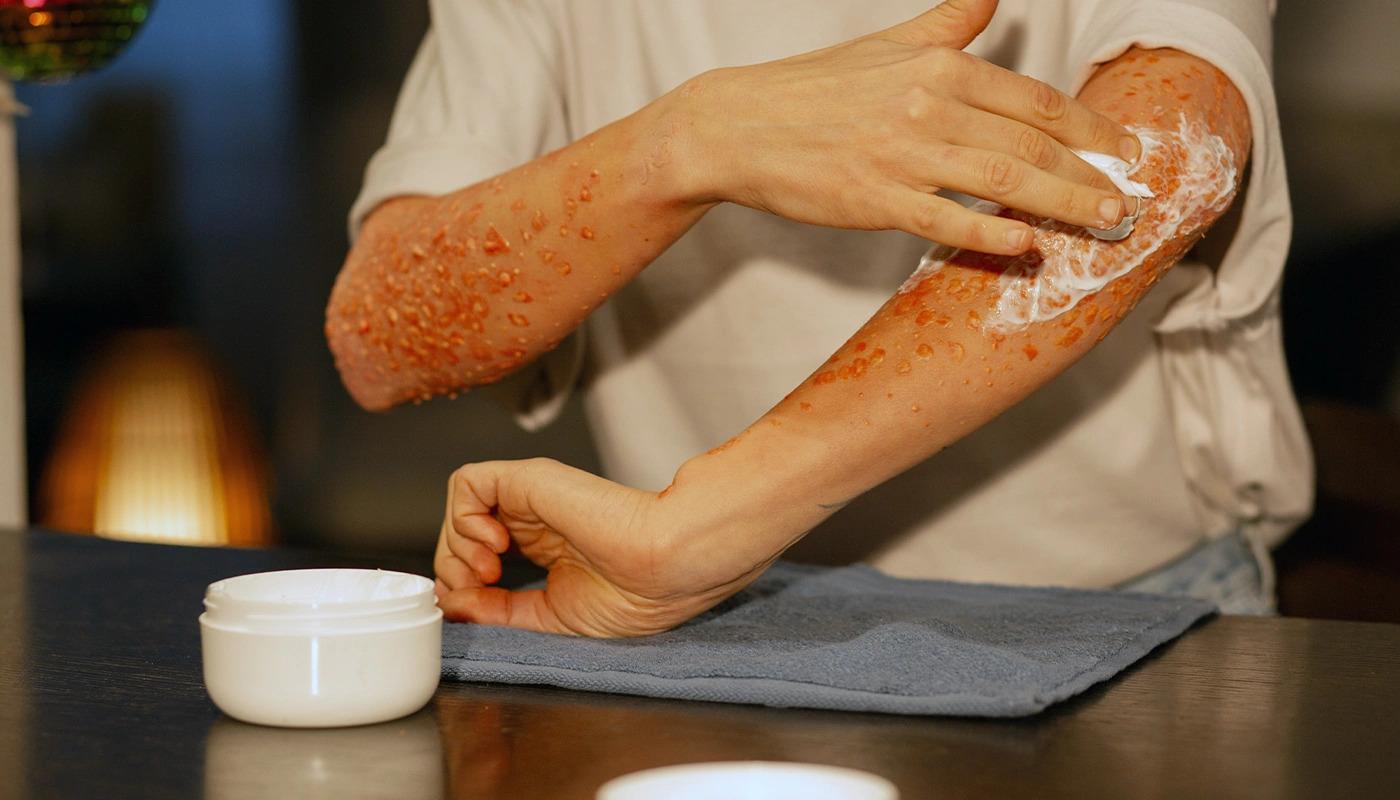
Living with eczema can be frustrating, especially when persistent itching, dryness, redness, or irritated skin begins to affect your sleep and daily activities. Flares can also come and go, making the condition difficult to manage.
Eczema is a group of inflammatory skin conditions that can cause recurring symptoms and, in some cases, painful or severe skin changes. If symptoms suddenly worsen, become painful, ooze, develop yellow crusts, or occur with fever, prompt medical attention may be needed. For urgent concerns, visit urgent care near for prompt treatment.
What Is Eczema?
Eczema is a group of inflammatory skin conditions that cause dry, itchy, irritated, and sometimes cracked or scaly skin. The most common type is atopic dermatitis, which can flare when the skin barrier becomes weakened and inflammation increases.
Eczema is not contagious, and symptoms can vary in location and severity from person to person. A recent systematic review published in Dermatitis found that atopic dermatitis affected about 11.1% of children and adolescents and 6.3% of adults worldwide.
Eczema Symptoms That Need Medical Attention
Most eczema symptoms can be managed with appropriate care, but certain changes may indicate infection or a more serious complication. Seek medical attention if you notice:
- Yellow or Honey-Colored Crusts: May indicate a bacterial infection in eczema-affected skin.
- Pus or Drainage: Pus, fluid, or oozing can be a sign of infection.
- Increasing Pain: New or worsening pain may indicate infection or significant inflammation.
- Spreading Redness: Redness extending beyond the original rash may signal infection.
- Significant Swelling: New or worsening swelling around a flare should be medically evaluated.
- Fever or Fatigue: Fever or feeling unwell with an eczema flare may indicate infection.
- Painful Blisters or Sores: Painful blisters, especially with fever, may indicate eczema herpeticum and require immediate care.
How to Get Rid of Eczema
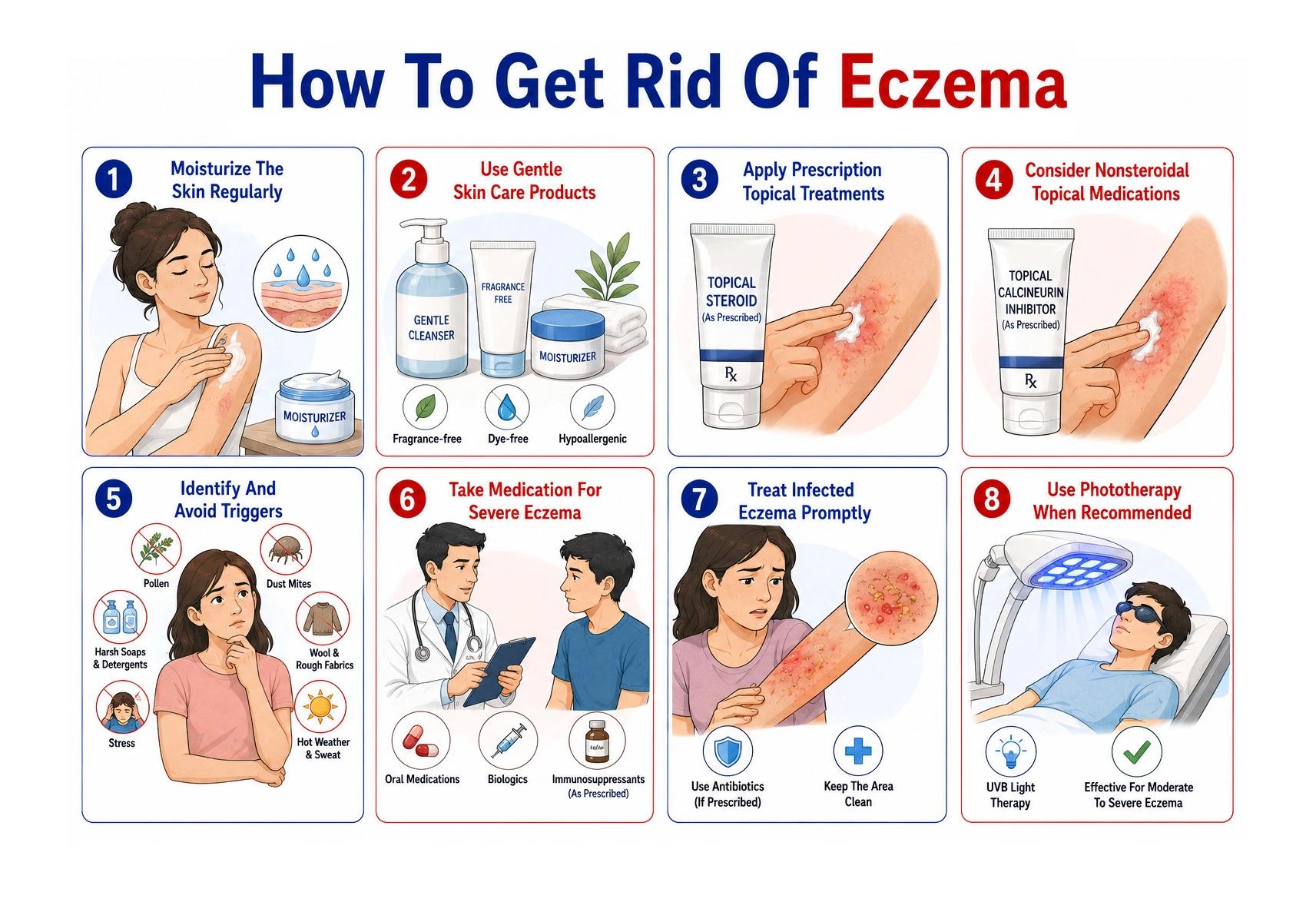
Wanting to get rid of eczema is understandable when constant itching, dryness, cracking, or visible rashes interfere with your comfort and confidence. Although eczema may not have a permanent cure, symptoms can often be controlled and flare-ups reduced with an appropriate treatment plan. The best approach depends on the type of eczema, severity, affected areas, age, and whether infection is present.
Moisturize the Skin Regularly
Regular moisturizing helps support the skin barrier and reduce moisture loss, which can make eczema-prone skin less dry and irritated. Choose a fragrance-free cream or ointment and apply it frequently, particularly after bathing. Consistent moisturization is an important part of managing eczema between and during flares.
Use Gentle Skin Care Products
Harsh soaps, fragrances, detergents, and certain personal-care products can irritate sensitive skin and contribute to flares. Use gentle, fragrance-free cleansers and avoid scrubbing affected areas. Keeping showers or baths lukewarm and relatively brief can also help prevent excessive skin dryness.
Apply Prescription Topical Treatments
When inflammation is significant, a healthcare professional may prescribe topical corticosteroids or other anti-inflammatory medicines. These treatments can reduce redness, swelling, and itching during a flare. The medication, strength, frequency, and duration should be selected according to the affected body area and severity.
Consider Nonsteroidal Topical Medications
Nonsteroidal options may be appropriate for some people, particularly when eczema affects sensitive areas or requires repeated treatment. Prescription medicines such as topical calcineurin inhibitors or other targeted therapies can reduce inflammation without relying on topical steroids. A clinician can determine whether these options are suitable for your condition.
Identify and Avoid Triggers
Some people notice that specific irritants, allergens, heat, sweating, stress, or environmental changes make their eczema worse. Keeping track of when flares occur can help identify patterns. Avoiding confirmed or suspected triggers may reduce irritation, although eliminating foods or other exposures without medical guidance is not always necessary.
Take Medication for Severe Eczema
Moderate-to-severe eczema that does not respond adequately to topical treatment may require prescription medicines that work throughout the body. Depending on the diagnosis and individual circumstances, options can include biologic medicines, oral medications, or other systemic therapies. These treatments require medical supervision because their benefits, risks, and monitoring requirements vary.
Treat Infected Eczema Promptly
Scratching can damage the skin barrier and allow bacteria or viruses to enter, causing infection. Signs such as pus, yellow crusting, increasing pain, spreading redness, swelling, or fever should not be treated as an ordinary flare. Prompt medical assessment is important because an infection may require specific treatment.
Use Phototherapy When Recommended
For some people with persistent eczema, controlled ultraviolet light treatment may be recommended by a dermatologist. Phototherapy can help reduce skin inflammation when other treatments have not provided enough relief. It should be performed under appropriate medical supervision rather than through unregulated tanning devices.
What Causes Eczema?
Eczema develops through a combination of skin-barrier dysfunction, immune-system activity, genetics, and environmental influences rather than one single cause. Some people are more prone to eczema because of inherited differences in how their skin retains moisture and responds to irritants. Identifying personal triggers can be useful because the factors that worsen eczema can differ considerably between individuals.
- Genetic Factors: A family history of eczema, asthma, or hay fever can increase the likelihood of developing atopic dermatitis. Certain inherited changes can also affect proteins involved in maintaining the skin barrier.
- Weakened Skin Barrier: When the skin barrier does not retain moisture effectively, the skin can become dry and more vulnerable to irritants, allergens, and microorganisms. This can contribute to inflammation and recurring flares.
- Irritating Products: Soaps, detergents, fragrances, solvents, and some cosmetics can irritate sensitive skin. Repeated exposure may worsen dryness, itching, and inflammation.
- Allergens: Some people experience eczema flares after exposure to particular environmental allergens. However, allergies are not the cause of every eczema flare, so testing should be based on a clinician's assessment.
- Weather and Temperature Changes: Cold, dry air can increase skin dryness, while heat and sweating may trigger itching and irritation in some people. Sudden changes in humidity can also affect eczema-prone skin.
- Stress: Emotional stress does not cause all eczema, but it can worsen symptoms or contribute to flare-ups in some people. Stress may also increase scratching, which can further damage the skin.
- Sweating and Friction: Sweat, tight clothing, and repeated rubbing can irritate eczema-prone areas. Exercise and hot environments may therefore trigger symptoms in some individuals.
- Skin Infections: Bacteria and viruses can enter damaged skin and cause infections that worsen an existing eczema flare. New pain, pus, crusting, rapidly spreading redness, or fever should be medically assessed.
When to Go to the ER
Most eczema flares do not require emergency care, but certain symptoms can signal a serious infection or complication that needs immediate evaluation. Do not wait for a routine appointment if the skin changes rapidly or you develop systemic symptoms, particularly when painful blisters, rapidly spreading redness, or significant illness occur.
- Trouble breathing or swelling of the lips, tongue, throat, or face may signal a severe allergic reaction and requires emergency care.
- Rapidly spreading redness with warmth, swelling, or severe pain may indicate a serious skin infection.
- A high fever with a worsening eczema flare may indicate a significant infection requiring urgent evaluation.
- Painful blisters or sores with fever may indicate eczema herpeticum, which needs immediate treatment.
- Severe weakness, confusion, fainting, or difficulty staying awake can signal a serious systemic infection.
- Rapidly worsening swelling with severe pain, fever, or spreading redness should be evaluated urgently.
When eczema symptoms become severe, getting evaluated promptly can make the situation less stressful. If you need urgent care, knowing that the ER wait time is under 12 minutes can help you feel more confident about seeking timely medical attention.
Eczema Care at Memorial Springs ER
When eczema causes rapidly spreading redness, severe swelling, painful blisters, signs of infection, fever, or other worsening symptoms, Memorial Springs ER in Spring, Texas, is available 24/7 for emergency evaluation and care. Our emergency team can assess severe symptoms, evaluate possible complications, and provide treatment based on your condition. If your eczema symptoms become severe or you are concerned about an infection or serious reaction, do not wait for them to worsen. Visit Memorial Springs ER for prompt emergency medical attention.
Key Takeaways
- Eczema causes recurring inflammation, dryness, itching, redness, and skin irritation.
- Regular skin care and appropriate medical treatment can help control eczema and reduce flares.
- Common triggers include irritants, allergens, weather changes, sweating, stress, and a weakened skin barrier.
- Yellow crusts, pus, increasing pain, spreading redness, swelling, or fever may indicate infection.
- Painful blisters, severe swelling, breathing problems, or rapidly worsening symptoms require urgent medical attention.
- Severe or infected eczema may require emergency evaluation and treatment.
Frequently Asked Questions About Eczema
Is Eczema Contagious?
No, eczema is not contagious. You cannot catch eczema through touching, kissing, sharing personal items, or close contact with someone who has it.
What Does Eczema Look Like?
Eczema can appear as dry, red, itchy, scaly, cracked, swollen, or thickened skin. Its appearance can vary depending on the type, skin tone, age, and severity.
Is Eczema an Autoimmune Disease?
Eczema is not generally classified as an autoimmune disease. It involves an overactive immune response along with skin-barrier dysfunction, which causes inflammation and recurring symptoms.
Does Eczema Go Away?
Eczema can improve or become inactive for periods, but it may return during future flares. Some children outgrow certain types, while others continue experiencing symptoms into adulthood.
Is Eczema Genetic?
Yes, genetics can contribute to eczema risk. People with a family history of eczema, asthma, or hay fever may be more likely to develop atopic dermatitis, although environmental factors also play a role.