

How Long Do Sunburns Last?
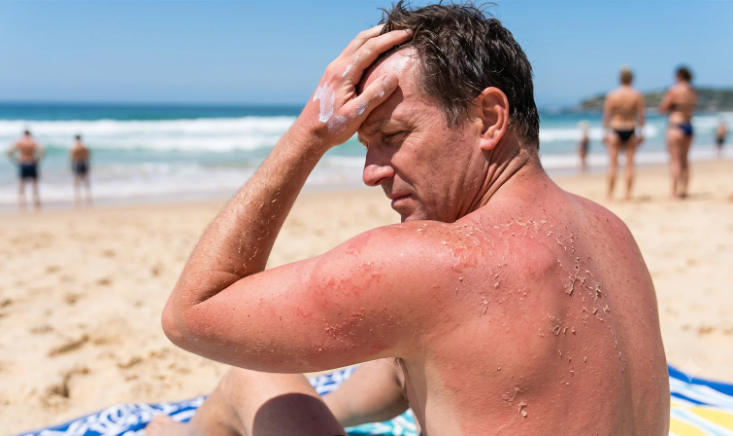
How long a sunburn lasts depends almost entirely on how severe it is, and severity is determined by how much UV exposure occurred, the time of day, skin type, and whether any sun protection was used. Mild sunburns typically clear up within three to five days, while moderate burns with blistering can take up to two weeks, and severe cases involving sun poisoning may take even longer to fully resolve.
Living in Texas, where sun exposure is intense year-round, makes understanding sunburn healing times and knowing when to seek urgent care near me especially important for every member of your household.
What Is a Sunburn?
A sunburn is skin damage caused by overexposure to ultraviolet radiation from the sun or artificial sources, such as tanning beds. UV rays penetrate the outer layers of the skin and damage the DNA in skin cells, triggering an inflammatory response that produces the redness, pain, and swelling most people associate with a sunburn.
According to NIH, UV exposure can harm the genetic material in skin cells, and repeated sun damage accumulates over time, increasing the risk of skin cancer even when individual burns appear mild and heal on their own.
How Long Do Sunburns Last by Severity?
The most direct answer to how long your sunburn will last comes from understanding which category your burn falls into based on your current symptoms.
- Mild sunburns produce pink to light red skin that feels warm and tender to the touch without any blistering. These typically resolve within three to five days, with peeling beginning around day three as the body sheds the damaged outer layer of skin
- Moderate sunburns present with deeper redness, noticeable swelling, and painful blisters forming within 24 to 48 hours of exposure. Recovery takes approximately one to two weeks, and the blistered skin requires careful monitoring to prevent secondary infection during healing
- Severe sunburns, also referred to as sun poisoning, involve significant blistering across a large surface area alongside systemic symptoms like fever, chills, nausea, headache, and dehydration. These burns can take two weeks or longer to heal and frequently require professional medical treatment to manage safely
What Are the Stages of Sunburn Healing?
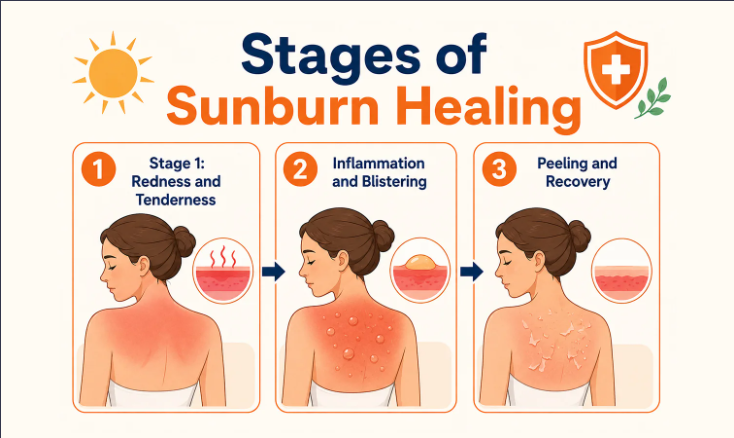
Regardless of severity, most sunburns progress through three recognizable stages that call for different care approaches at each point in the healing process.
Stage 1: Redness and Tenderness
Redness typically begins to appear two to six hours after sun exposure and reaches its peak intensity between 12 and 24 hours later. The skin feels warm, tender, and sensitive to touch during this stage, and the full extent of the burn often looks worse the morning after exposure than it did the evening of. Cooling the skin and beginning hydration efforts during this stage supports faster and more comfortable recovery.
Stage 2: Inflammation and Blistering
By the second day, inflammation increases, and the skin may swell depending on the burn severity and the area of the body affected. Moderate to severe burns develop blisters during this stage, which serve as a natural protective barrier over damaged tissue and should never be deliberately popped or peeled. Keeping blistered skin clean, covered, and undisturbed is essential to preventing infection and minimizing long-term skin damage.
Stage 3: Peeling and Recovery
Peeling typically begins around day three to five as the body sheds the damaged outer layer of skin and starts rebuilding the layers underneath. New skin emerging beneath the peel is fragile, photosensitive, and requires continued sun protection even after the visible sunburn appears to have resolved. Moisturizing consistently during this stage reduces discomfort and supports the quality of the new skin forming beneath the surface.
What Are the Symptoms of a Sunburn?
Symptoms vary depending on severity but follow a recognizable pattern across most cases of sun overexposure.
- Pink, red, or darkened skin that feels noticeably warm or hot to the touch, even hours after leaving the sun
- Tenderness and pain when the affected area is touched, pressed, or rubbed against clothing or bedding
- Swelling is developing in more exposed or sensitive areas, including the face, shoulders, and chest
- Blisters appearing in moderate to severe burns may weep fluid if broken or irritated during healing
- Fever, chills, headache, nausea, and dizziness accompany severe burns, which indicate a systemic response requiring medical evaluation
How to Treat a Sunburn at Home?
Most mild to moderate sunburns can be managed effectively at home with consistent, simple care throughout the healing stages.
- Apply cool water compresses or take a cool shower to reduce skin temperature and relieve immediate heat and pain in the affected area
- Use pure aloe vera gel generously on the burned skin multiple times per day to reduce inflammation and maintain moisture throughout the healing process
- Take ibuprofen or aspirin within the first 24 hours to reduce inflammation and manage pain, as these work better than acetaminophen for the inflammatory component of a sunburn
- Drink significantly more water than usual throughout the healing process, as sunburn draws fluid toward the skin surface and away from the rest of the body
- Avoid popping blisters, peeling skin, or scratching the affected area, as doing any of these increases the risk of infection and worsens the final appearance of the healed skin
For more on proper wound and burn care after injury, our guide on what you need to know about wound care after a burn covers the essential steps for protecting damaged skin during recovery.
How to Prevent Sunburns?
Prevention is always easier than treatment, and a few consistent habits protect your skin significantly, even during extended Texas summer days.
- Apply a broad-spectrum sunscreen with SPF 30 or higher at least 15 minutes before going outdoors and reapply every two hours or immediately after swimming or sweating
- Avoid direct sun exposure between 10 a.m. and 4 p.m. when UV radiation is at its most intense and skin damage occurs most rapidly
- Wear lightweight protective clothing, wide-brimmed hats, and UV-blocking sunglasses when spending extended time outdoors during peak sun hours
- Seek shade consistently throughout outdoor activities rather than relying on sunscreen alone as complete protection against UV damage
- Never use tanning beds, as they emit concentrated UV radiation that causes the same cellular damage as direct sun exposure and significantly raises long-term skin cancer risk
If severe sunburn symptoms develop despite prevention efforts, Memorial Springs ER provides 24/7 emergency care with an average ER wait time of just 12 minutes for prompt evaluation and treatment.
When to Go to the ER for a Sunburn?
Most sunburns heal safely at home, but certain situations require immediate emergency evaluation. Visit Memorial Springs ER right away if you or someone in your care is experiencing any of the following.
- Extensive blistering covering a large area of the body, particularly in children or elderly adults who are more vulnerable to complications
- Fever above 102 degrees Fahrenheit occurring alongside sunburn symptoms, which may indicate sun poisoning requiring professional treatment
- Severe dizziness, confusion, rapid heartbeat, or fainting, all of which signal dangerous dehydration or heat-related illness, alongside the burn
- Signs of infection in a blistered area include increasing redness spreading outward, warmth, swelling, pus, or worsening pain after the first few days
- Sunburn covering the face, eyes, ears, or genitals, which are highly sensitive areas that warrant professional evaluation even in seemingly moderate cases
- Any sunburn in an infant, as babies have extremely sensitive skin and a limited ability to regulate body temperature and fluid balance during recovery
If fever is part of what you are dealing with alongside a sunburn, our guide onwhen a fever means an emergency helps you determine whether the temperature alone warrants immediate care.
Sunburn Care at Memorial Springs ER
When a sunburn is extensive, blistered, or accompanied by fever, dehydration, or signs of sun poisoning, Memorial Springs ER in Spring, Texas, is here around the clock with no wait times and board-certified physicians ready to provide immediate care. We offer IV fluid therapy for dehydration, wound care for blistered burns, and full diagnostic support for any complications. Do not wait for a bad burn to get worse. Visit Memorial Springs ER today.
Related Emergency Services
Emergency Care
State-licensed emergency department fully equipped to handle critical, life-threatening medical conditions 24/7/365.
Acute Injury & Fracture Care
Rapid treatment for acute injury, broken bones, dislocations, severe sprains, lacerations, and sports injuries with comprehensive fracture care.
Pediatric Emergency Services
Compassionate, specialized emergency care for infants, toddlers, and children in a comforting environment.
Related Articles
Trusted Health Resources
The medical information in this article is informed by guidelines from these authoritative organizations:
Medical Disclaimer
The information provided on this blog is for general informational and educational purposes only. It is not a substitute for professional medical advice, diagnosis, or treatment. Always seek the advice of a qualified healthcare provider regarding any medical condition. If you are experiencing a life-threatening medical emergency, call 911 or proceed immediately to the nearest emergency room.