

Is Frequent Diarrhea a Sign of Cancer?

Diarrhea is something almost everyone experiences from time to time, and in the vast majority of cases, it clears up on its own within a few days without ever pointing to anything serious. But when diarrhea becomes frequent, lingers for weeks, or shows up alongside other changes in your body, it is completely natural to start wondering whether something more significant is going on. The honest answer is that while frequent diarrhea is rarely a sign of cancer, there are specific patterns and warning signs that genuinely deserve medical attention rather than continued home management.
Understanding the difference between ordinary digestive upset and a pattern that warrants investigation can help you make faster, smarter decisions about your health without unnecessary panic or delay. If symptoms become concerning, searching for urgent care near me 24 hours can help you find timely medical attention when you need it.
Can Diarrhea Be a Symptom of Cancer?
Yes, diarrhea can be a symptom of cancer, but diarrhea by itself is not a diagnosis and is far more commonly caused by benign, treatable conditions. When diarrhea persists for more than four weeks, occurs alongside blood in the stool, or accompanies unexplained weight loss, it represents a pattern worth investigating rather than a symptom to simply wait out.
What Types of Cancer Cause Frequent Diarrhea?
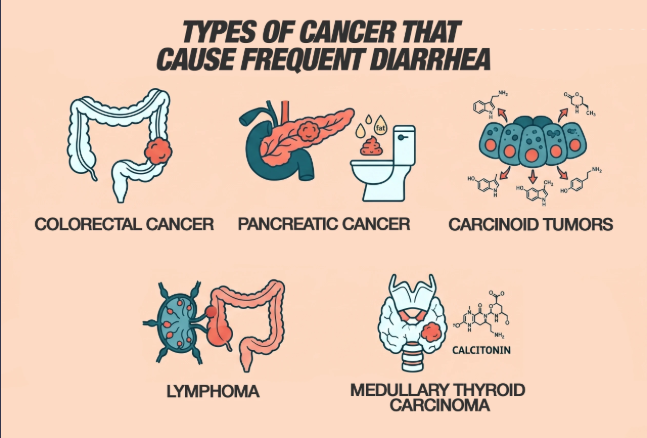
Several types of cancer affecting the digestive system and hormone-producing organs are associated with persistent diarrhea as one of their symptoms.
- Colorectal cancer: The most commonly associated cancer with changes in bowel habits, including diarrhea that may alternate with constipation as a tumor disrupts normal stool movement
- Pancreatic cancer: Affects the pancreas’s ability to produce digestive enzymes, often resulting in pale, greasy, foul-smelling stools alongside frequent diarrhea
- Carcinoid tumors: Rare neuroendocrine tumors in the digestive tract that release hormones directly triggering diarrhea, often missed for years because the symptom seems so ordinary
- Lymphoma: Cancer affecting the gastrointestinal tract that disrupts normal absorption and produces chronic diarrhea alongside inflammation
- Medullary thyroid carcinoma: A less common cancer that can produce hormones affecting bowel function and causing diarrhea as a secondary symptom
Warning Signs That Diarrhea May Be More Than an Infection
Most diarrhea resolves within a few days and is caused by something entirely ordinary. Certain patterns, however, distinguish diarrhea that deserves closer medical attention.
- Diarrhea lasting more than four weeks without an identifiable cause, like infection or a dietary trigger
- Blood in the stool, whether bright red or dark and tarry
- Unexplained and unintentional weight loss occurring alongside ongoing digestive symptoms
- Persistent abdominal pain or cramping that does not ease between bowel movements
- A noticeable change in stool shape, such as narrow or pencil-thin stools
- Extreme fatigue that develops alongside ongoing bowel changes
- Diarrhea that does not respond to dietary changes, over-the-counter medication, or rest
When Should You See a Doctor for Frequent Diarrhea?
Timing matters when it comes to persistent diarrhea, and knowing when a symptom has crossed from routine to concerning helps guide the right next step.
- If diarrhea lasts longer than two weeks, it is worth scheduling an appointment with your doctor, even without other symptoms present
- If diarrhea comes and goes over several weeks or months without a clear pattern or trigger
- If you notice narrow or pencil-thin stools that represent a change from your normal bowel habits
- If diarrhea is paired with unexplained weight loss, persistent fatigue, or ongoing abdominal pain that is manageable but not improving
Keeping a simple log of how often symptoms occur, what triggers them, and any accompanying pain can help your doctor identify the cause more quickly during your visit.
Other Common Causes of Frequent Diarrhea
Before assuming the worst, it helps to know that frequent diarrhea is far more commonly caused by conditions that are entirely manageable once properly diagnosed.
- Infections: Viral, bacterial, and parasitic infections are the most common cause of both short-term and occasionally prolonged diarrhea
- Irritable bowel syndrome: A common digestive disorder that causes recurring bowel changes without any underlying structural disease
- Inflammatory bowel disease: Conditions like Crohn’s disease and ulcerative colitis produce chronic diarrhea that must be distinguished from cancer through proper testing
- Food intolerances: Lactose intolerance, gluten sensitivity, and other food-related issues can cause consistent diarrhea tied to specific dietary patterns
- Medications: Certain antibiotics, blood pressure medications, and other prescriptions commonly list diarrhea as a documented side effect
How Is the Cause of Frequent Diarrhea Diagnosed?
Determining what is behind persistent diarrhea starts with a thorough evaluation and, depending on your symptoms, may include specific diagnostic testing. An on-site lab evaluation can help rule out infection and other common causes quickly, giving your care team the information needed to determine whether further specialist follow-up is warranted for anything more persistent or unusual.
When to Go to the ER?
Do not wait for a scheduled appointment if any of the following symptoms are present alongside your diarrhea:
- Blood in the stool or stools that appear black or tarry
- Severe abdominal pain that is worsening rather than improving, or pain that does not ease between bowel movements
- Signs of significant dehydration, including dizziness, confusion, rapid heart rate, or no urination for 8 or more hours
- High fever above 101°F that does not respond to medication
- Sudden and severe diarrhea combined with vomiting that prevents you from keeping any fluids down
Memorial Springs ER provides 24/7 walk-in emergency care with an average ER wait time of under 12 minutes, on-site labs, and rapid evaluation for abdominal pain and digestive symptoms that need immediate attention.
Digestive Symptom Care at Memorial Springs ER
Persistent or unusual diarrhea deserves proper evaluation rather than prolonged uncertainty at home. At Memorial Springs ER, our board-certified physicians provide fast, walk-in emergency care with on-site lab testing to help identify the underlying cause of your symptoms and determine whether further follow-up is needed. According to the Texas Department of State Health Services, colorectal cancer remains one of the more commonly diagnosed cancers among Texans, making early evaluation of persistent digestive changes an important part of protecting your long-term health. We treat patients of all ages and are available around the clock for urgent digestive concerns.
Key Takeaways
- Frequent diarrhea can occasionally be a sign of cancer, but it is far more commonly caused by infections, IBS, or food intolerances
- Cancers most commonly associated with diarrhea include colorectal cancer, pancreatic cancer, and carcinoid tumors
- Diarrhea lasting more than four weeks, blood in the stool, or unexplained weight loss are the key warning signs worth investigating
- Most diarrhea resolves on its own and does not require the same level of concern as persistent, unexplained symptoms
- Blood in the stool, severe abdominal pain, or signs of dehydration always require prompt medical evaluation
- Early evaluation of persistent digestive changes is always the safest approach, regardless of the eventual cause
Trusted Health Resources
The medical information in this article is informed by guidelines from these authoritative organizations:
Medical Disclaimer
The information provided on this blog is for general informational and educational purposes only. It is not a substitute for professional medical advice, diagnosis, or treatment. Always seek the advice of a qualified healthcare provider regarding any medical condition. If you are experiencing a life-threatening medical emergency, call 911 or proceed immediately to the nearest emergency room.