
What Causes High Blood Pressure?
High blood pressure, also called hypertension, affects nearly half of all adults in the United States. It is often called the "silent killer" because it usually has no symptoms, even as it quietly damages your heart, brain, kidneys, and blood vessels. Understanding what causes high blood pressure is the first step toward protecting your health.
For most people, high blood pressure is managed through regular checkups, lifestyle changes, and medication when needed. But a sudden, severe spike can be a medical emergency. If you have very high readings with symptoms like chest pain or a severe headache, Memorial Springs ER in Spring, TX, is a 24/7 emergency room ready to help.
What is High Blood Pressure?
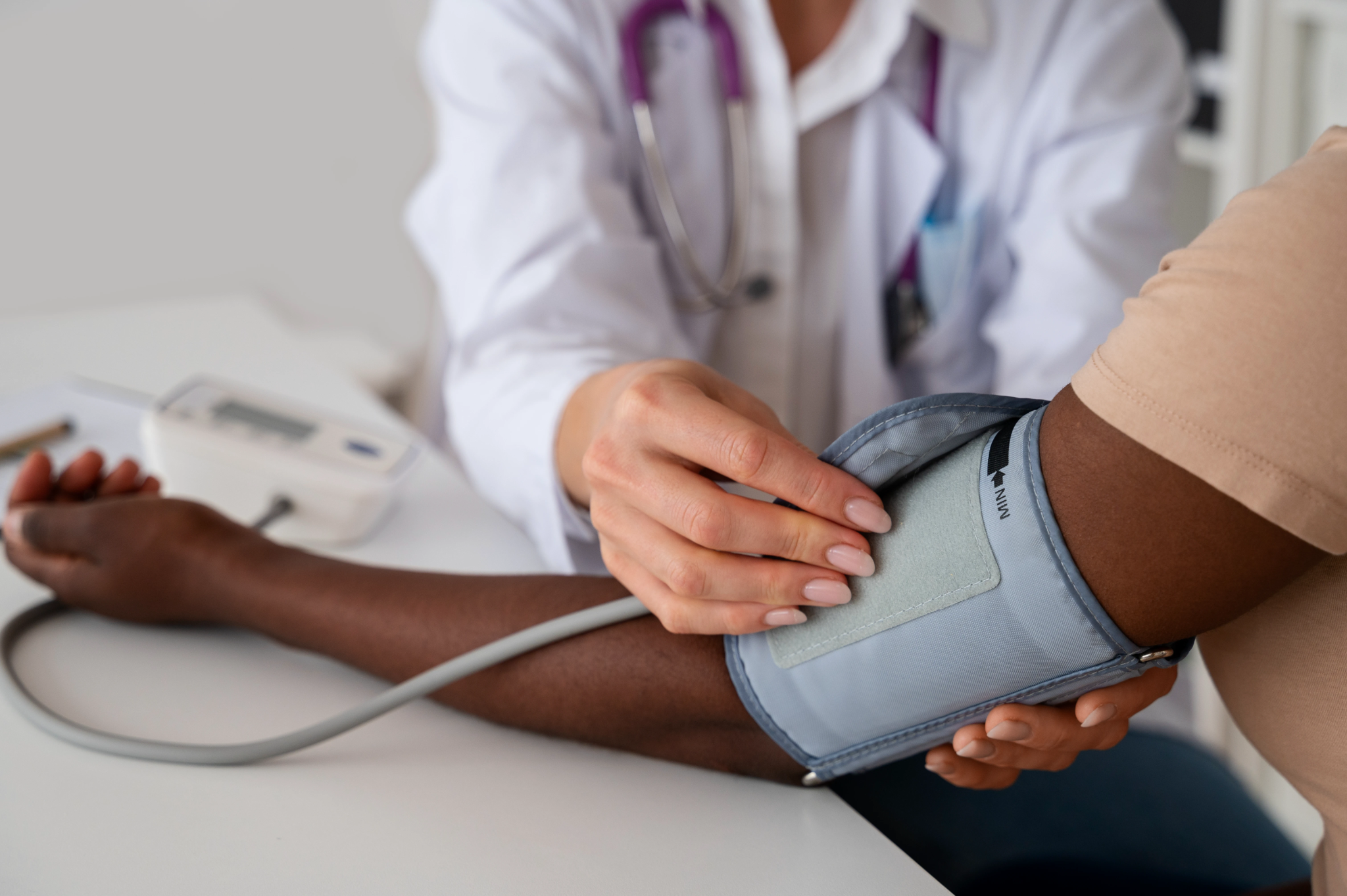
Blood pressure is the force of blood pushing against the walls of your arteries. It is measured with two numbers:
- Systolic (top number): the pressure when your heart beats.
- Diastolic (bottom number): the pressure when your heart rests between beats.
According to the American Heart Association, blood pressure categories are:
- Normal: less than 120/80 mm Hg.
- Elevated: 120 to 129 systolic and less than 80 diastolic.
- Stage 1 hypertension: 130 to 139 systolic or 80 to 89 diastolic.
- Stage 2 hypertension: 140/90 mm Hg or higher.
- Severe hypertension: higher than 180/120 mm Hg.
Types and Causes of Hypertension
There are two main types of high blood pressure, and each has different causes.
Primary (Essential) Hypertension
This is the most common type, and it develops gradually over many years. There is usually no single cause. Instead, a mix of factors plays a role, including genetics, aging, and lifestyle habits.
Secondary Hypertension
This type is caused by another health condition or medicine, and it often appears suddenly. Possible causes include:
- Kidney disease.
- Obstructive sleep apnea.
- Thyroid problems.
- Adrenal gland disorders.
- Certain medicines, such as birth control pills, decongestants, and some pain relievers.
- Illegal drugs such as cocaine and amphetamines.
- Pregnancy-related conditions such as preeclampsia.
Risk Factors You Can and Cannot Control
Some risk factors are out of your control:
- Getting older.
- Family history of high blood pressure.
- Race: Black adults in the United States tend to develop high blood pressure more often and at a younger age.
Others can be changed:
- Too much salt: sodium causes your body to hold on to water.
- Excess weight: makes your heart work harder.
- Lack of physical activity: weakens your heart and raises blood pressure over time.
- Drinking too much alcohol: raises blood pressure and adds calories.
- Smoking and vaping: nicotine raises blood pressure and damages blood vessels.
- Chronic stress and poor sleep: keep stress hormones high.
Does High Blood Pressure Cause Symptoms?
Usually not. Most people feel completely normal, which is why regular checks are so important. When symptoms do appear, it often means blood pressure is very high. These may include severe headaches, blurred vision, nosebleeds, or shortness of breath.
When High Blood Pressure Is an Emergency
A reading higher than 180/120 mm Hg is considered a hypertensive crisis. Call 911 or go to the ER right away if a high reading comes with:
- Chest pain or pressure.
- Shortness of breath.
- Severe headache or confusion.
- Numbness or weakness, especially on one side of the body.
- Trouble seeing or speaking.
- Back pain.
These can be signs of a heart attack, stroke, or organ damage. If your reading is very high but you have no symptoms, wait five minutes and recheck. If it stays high, contact your doctor right away.
Why Controlling Blood Pressure Matters
Over time, uncontrolled high blood pressure can lead to heart attack, stroke, heart failure, kidney disease, vision loss, and dementia. Treating it lowers these risks significantly. If you have chest discomfort or other heart symptoms, timely care at our chest pain emergency room can help find problems before they become life-threatening.
How to Lower Your Blood Pressure
- Eat a heart-healthy diet such as the DASH diet, rich in fruits, vegetables, and whole grains.
- Limit sodium to less than 2,300 mg per day, or less if your doctor recommends it.
- Aim for at least 150 minutes of moderate exercise each week.
- Limit alcohol and quit smoking.
- Manage stress and get 7 to 9 hours of sleep.
- Take blood pressure medicines exactly as prescribed.
- Check your blood pressure at home and keep a log for your doctor.
Fast Care for Blood Pressure Emergencies
High blood pressure may be silent, but a hypertensive crisis is not something to ignore. Memorial Springs ER in Spring, TX, serves Spring, Klein, Tomball, The Woodlands, and North Houston with board-certified physicians, on-site labs and imaging, and short wait times.
When a reading is dangerously high and symptoms appear, our Spring emergency room is open 24/7. We can check for signs of heart, brain, or organ damage right away. For life-threatening emergencies, call 911 right away.
Key Takeaways
- High blood pressure affects nearly half of US adults and often has no symptoms.
- Primary hypertension develops slowly from genetics, aging, and lifestyle habits. Secondary hypertension is caused by another health condition or medicine.
- Age, family history, and race are risk factors you cannot control. Salt intake, weight, inactivity, alcohol, smoking, and stress can be changed.
- A reading higher than 180/120 mm Hg is a hypertensive crisis.
- Go to the ER right away if a very high reading comes with chest pain, shortness of breath, severe headache, confusion, numbness, or trouble seeing or speaking.
- If your reading is very high but you have no symptoms, wait five minutes and recheck, then call your doctor if it stays high.
- A heart-healthy diet, less sodium, regular exercise, and taking medicines as prescribed can lower your blood pressure.
Frequently Asked Questions
Can Stress Cause High Blood Pressure?
Stress can cause temporary spikes in blood pressure. Long-term stress may also contribute to high blood pressure, especially if it leads to unhealthy habits such as poor sleep or overeating.
Can Drinking Water Lower Blood Pressure?
Staying hydrated supports overall heart health, but water alone will not treat high blood pressure. A balanced diet, regular exercise, and medicine when needed are what help lower your numbers.
Can Young People Have High Blood Pressure?
Yes. High blood pressure is becoming more common in young adults and even children, often linked to weight, diet, and inactivity. Regular checkups help catch it early, before it causes damage.
Is High Blood Pressure Curable?
For most people, it is a lifelong condition that can be well controlled. Secondary hypertension may improve when the underlying cause is treated, so finding the cause matters.