

What Is Anaphylaxis?

If you or someone you love suddenly develops trouble breathing, swelling, or feels faint after exposure to an allergen, it can be frightening. Anaphylaxis is a severe, potentially life-threatening allergic reaction that can develop rapidly and requires immediate medical attention.
Anaphylaxis may cause throat or tongue swelling, difficulty breathing, hives, dizziness, vomiting, or a sudden drop in blood pressure. If these symptoms occur, use prescribed epinephrine immediately and seek emergency care; do not wait for the reaction to improve on its own. If you are searching for urgent care, suspected anaphylaxis requires emergency evaluation.
What Causes Anaphylaxis?
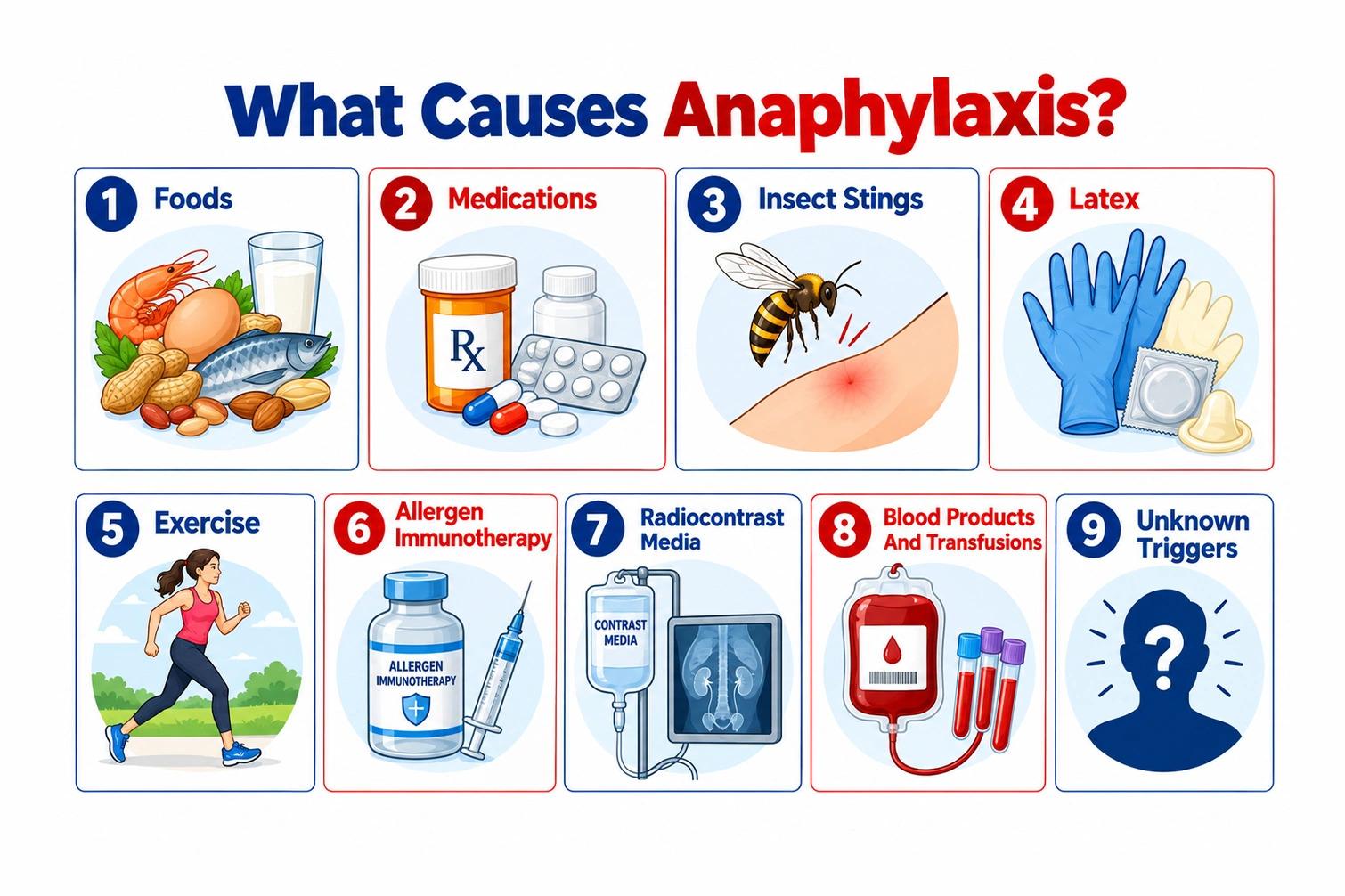
Anaphylaxis occurs when the immune system reacts suddenly and intensely to a trigger, releasing chemicals that can affect the skin, airways, blood vessels, heart, and digestive system. The reaction can happen within minutes and may become life-threatening quickly. Identifying potential triggers can help people with known allergies avoid future reactions and prepare for emergencies.
Foods
Food is one of the most common triggers of anaphylaxis, particularly in children. Peanuts, tree nuts, shellfish, fish, milk, eggs, wheat, and sesame are among the foods frequently associated with severe allergic reactions. Even a small amount of a food allergen can trigger a serious reaction in a sensitized person.
Medications
Certain medications can cause anaphylaxis, even when they have been taken safely before. Antibiotics, particularly some penicillin-related drugs, are common medication triggers, while aspirin and other NSAIDs can also cause severe reactions. Injectable medications may produce reactions rapidly because they enter the bloodstream more directly.
Insect Stings
Stings from insects such as honeybees, wasps, yellow jackets, hornets, and fire ants can cause anaphylaxis in people who are allergic to their venom. Symptoms may begin very quickly after a sting and can progress from localized swelling to breathing problems, dizziness, or shock.
Latex
Natural rubber latex can trigger anaphylaxis in people with a latex allergy. Exposure can occur through products such as medical gloves, catheters, and other equipment containing natural rubber latex. Severe reactions are particularly concerning when latex contacts moist tissues or is encountered during medical or surgical procedures.
Exercise
Exercise can occasionally trigger anaphylaxis, sometimes only when physical activity occurs after eating a particular food. This condition is called food-dependent exercise-induced anaphylaxis, although exercise can also rarely trigger anaphylaxis independently. Symptoms may include flushing, itching, hives, swelling, breathing difficulty, dizziness, or collapse.
Allergen Immunotherapy
Allergy shots and oral immunotherapy are designed to gradually reduce sensitivity to specific allergens, but they can rarely cause a severe allergic reaction. Because the treatment intentionally exposes a person to an allergen, reactions can occur after administration.
Radiocontrast Media
Some people can develop severe hypersensitivity reactions after receiving contrast media used during certain imaging procedures. These reactions may involve breathing difficulty, swelling, low blood pressure, or other signs of anaphylaxis. Patients who have previously experienced a reaction to contrast should tell their healthcare team before another contrast-enhanced procedure.
Blood Products And Transfusions
Rarely, anaphylaxis can occur during or shortly after receiving blood or blood products. A reaction may develop when the immune system responds to a substance associated with the transfused product. Symptoms such as sudden breathing difficulty, swelling, hives, low blood pressure, or loss of consciousness during a transfusion require immediate medical attention.
Unknown Triggers
Sometimes doctors cannot identify what caused an episode of anaphylaxis. This is called idiopathic anaphylaxis and does not mean the reaction was less serious. Keeping a record of foods, medications, insect exposures, activities, and other potential exposures around the time of an episode can help an allergist investigate possible triggers.
Anaphylaxis Symptoms That Need Medical Attention
Recognizing anaphylaxis symptoms early is critical because a reaction can progress rapidly and affect multiple body systems at once. Symptoms may involve the skin, respiratory system, digestive tract, cardiovascular system, or nervous system, and not every person develops hives or a visible rash.
A PubMed-indexed study found that skin symptoms occurred in 90% of anaphylaxis episodes, while respiratory symptoms occurred in 70%, highlighting how frequently these systems are affected.
- Trouble breathing, shortness of breath, wheezing, or noisy breathing.
- Tightness or swelling of the throat, tongue, lips, or mouth.
- Difficulty swallowing or a feeling that the throat is closing.
- Sudden widespread hives, intense itching, flushing, or skin swelling.
- Severe dizziness, lightheadedness, weakness, or feeling faint.
- A rapid, weak pulse or a sudden drop in blood pressure.
- Fainting, collapse, confusion, or loss of consciousness.
- Repeated vomiting, severe abdominal cramps, or diarrhea, especially when accompanied by other allergic symptoms.
- Sudden chest tightness or discomfort.
- A sense of impending doom or severe anxiety occurring with other symptoms.
Who Is At Risk Of Anaphylaxis?
Anyone can develop anaphylaxis, but certain people have a higher risk. Knowing your risk can help you prepare for a severe allergic reaction and seek treatment quickly when needed. An allergist can help identify triggers and create an emergency action plan.
- Previous Anaphylaxis: A past episode increases the risk of experiencing another severe reaction.
- Food Allergies: Peanuts, tree nuts, shellfish, milk, eggs, fish, and sesame can cause severe reactions.
- Medication Allergies: Certain antibiotics, NSAIDs, and other medicines may trigger anaphylaxis.
- Insect Venom Allergy: Bee, wasp, hornet, and fire-ant stings can cause severe reactions.
- Asthma: Poorly controlled asthma can increase the risk of serious breathing problems during anaphylaxis.
- Mast Cell Disorders: These conditions can make severe allergic reactions more likely.
- Latex Allergy: Significant latex allergies can occasionally cause life-threatening reactions.
- Allergy Immunotherapy: Rarely, allergy shots or oral immunotherapy can trigger anaphylaxis.
When To Go To The ER
If you suspect anaphylaxis, do not wait to see whether the reaction gets better. This condition can progress rapidly and may affect breathing or circulation within minutes. Use an epinephrine auto-injector immediately if prescribed, call 911 or your local emergency number, and go to the ER for prompt evaluation and monitoring.
- Severe difficulty breathing or rapidly worsening shortness of breath.
- Inability to speak normally because of breathing difficulty.
- Severe throat or airway swelling that interferes with breathing.
- Fainting, collapse, or inability to remain awake.
- Signs of dangerously low blood pressure, such as extreme weakness or sudden loss of consciousness.
- Blue, gray, or unusually pale lips, skin, or fingertips.
- Severe breathing distress that does not improve after the first epinephrine dose.
- Symptoms that return or worsen after initially improving.
- Rapid progression of symptoms involving more than one body system.
- A known allergen exposure followed by sudden cardiovascular or respiratory problems.
When you or someone you love is experiencing a frightening allergic emergency, getting evaluated quickly matters. Our ER wait time is under 12 minutes, so you can receive timely emergency assessment when every minute counts.
How To Treat Anaphylaxis
If anaphylaxis is suspected, treatment should begin immediately because the reaction can become life-threatening within minutes. Epinephrine is the first-line treatment and should never be delayed while waiting for other medicines to work. Emergency medical evaluation is still necessary even if symptoms improve after epinephrine, as symptoms can return.
- Epinephrine (Adrenaline): Use a prescribed epinephrine auto-injector immediately in the outer thigh. Most doctors recommend carrying two auto-injectors if you are at risk of anaphylaxis.
- Second Epinephrine Dose: If symptoms continue or worsen after the first dose, a second dose may be needed. Most doctors recommend following the auto-injector instructions and emergency guidance for repeat dosing.
- Emergency Medical Care: Call 911 or your local emergency number after using epinephrine. Most doctors recommend emergency evaluation because symptoms can return after initially improving.
- Antihistamines: Medicines such as cetirizine may help relieve hives and itching but do not treat dangerous breathing or circulation problems. Most doctors recommend using them only as an additional treatment, never instead of epinephrine.
- IV Fluids: Emergency clinicians may give intravenous fluids when anaphylaxis causes low blood pressure or circulatory collapse. This helps support blood circulation when epinephrine alone is not enough.
- Oxygen Therapy: Supplemental oxygen may be provided when anaphylaxis causes breathing difficulty or low oxygen levels. It supports breathing while the underlying reaction is treated.
- Bronchodilator Treatment: Nebulized medicines such as albuterol may be used when wheezing or bronchospasm continues despite epinephrine. Most doctors recommend these only as an additional treatment, not a replacement for epinephrine.
- Corticosteroids: Steroids are sometimes used as an additional hospital treatment, but they work slowly and are not a substitute for epinephrine. Most doctors recommend that they never delay first-line epinephrine treatment.
- Airway Support: Severe throat swelling or respiratory failure may require advanced airway management by emergency professionals. This can include assisted ventilation or other procedures to maintain oxygen delivery.
Anaphylaxis Care At Memorial Springs ER
If you or your loved one experiences a severe allergic reaction with breathing difficulty, throat swelling, fainting, or rapidly worsening symptoms, Memorial Springs ER in Spring, Texas, is available 24/7 for emergency evaluation and care. Our emergency team can quickly assess severe allergic reactions and provide appropriate treatment when urgent medical attention is needed.
When anaphylaxis occurs, do not wait for symptoms to improve on their own. Seeking prompt emergency care can be critical, especially when breathing or circulation is affected. Memorial Springs ER is open 24/7, with patients seen in under 12 minutes, helping you get evaluated quickly when every minute matters.
Key Takeaways
- Anaphylaxis is a medical emergency that can develop rapidly and become life-threatening.
- Common triggers include foods, medications, insect stings, latex, and exercise.
- Epinephrine is the first-line treatment and should be used immediately when anaphylaxis is suspected.
- Symptoms such as severe breathing difficulty, throat swelling, fainting, or dangerously low blood pressure require emergency care.
- Even if symptoms improve after epinephrine, medical evaluation is still necessary because symptoms can return.
Frequently Asked Questions
Can I Die In My Sleep From Anaphylaxis?
Yes, untreated anaphylaxis can be fatal and may worsen rapidly. If you suspect a reaction, use epinephrine immediately and seek emergency medical care rather than going to sleep.
What Does Anaphylaxis Feel Like?
Anaphylaxis may feel like sudden difficulty breathing, throat tightness, dizziness, weakness, flushing, itching, hives, vomiting, or a feeling that something is seriously wrong.
Can Anaphylaxis Happen Without Hives?
Yes. Anaphylaxis can occur without hives or other skin symptoms. Sudden breathing problems, throat swelling, low blood pressure, or fainting after allergen exposure still require immediate emergency treatment.
Can Anaphylaxis Come Back After Treatment?
Yes. Symptoms can return after initially improving, known as biphasic anaphylaxis. This is why emergency evaluation and observation are important even after symptoms appear to resolve.