

What Is RSV?
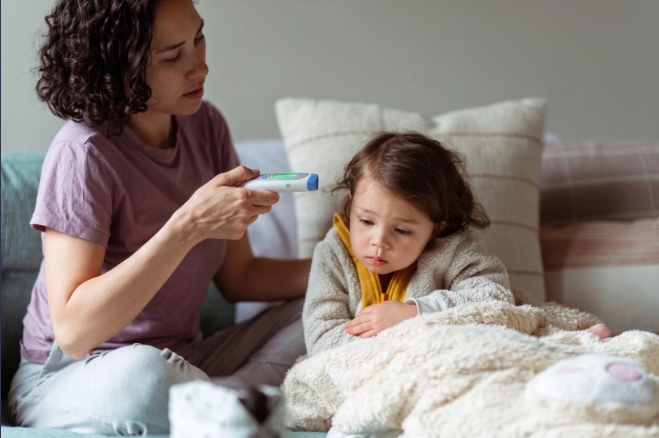
If you have a young child, care for an aging parent, or have simply had a cold that seemed to hang on longer than usual, there is a good chance RSV has crossed your radar at some point. Respiratory Syncytial Virus, known as RSV, is one of the most common respiratory infections circulating every year, and while it behaves like an ordinary cold for most healthy people, it can become genuinely dangerous for infants, older adults, and anyone with a weakened immune system or chronic lung condition.
Understanding what RSV actually is, how it spreads, what symptoms to watch for, and when it crosses the line from manageable to an emergency can help you protect your family and know exactly when it is time to seek care at our emergency room for pediatrics.
Why Is RSV Dangerous for Infants and Older Adults?
RSV is dangerous for infants and older adults because their airways and immune systems are less equipped to handle the inflammation the virus causes. In babies, smaller airways swell more easily and can become blocked, while in older adults and those with chronic lung disease, RSV can trigger pneumonia or worsen existing conditions like COPD and asthma.
What Is RSV?
RSV, or Respiratory Syncytial Virus, is a highly contagious virus that infects the nose, throat, and lungs, causing symptoms that range from a mild cold to a serious lower respiratory infection, depending on the person’s age and overall health. According to the Centers for Disease Control and Prevention, RSV usually causes mild, cold-like symptoms in most people, but it is the leading cause of infant hospitalization in the United States. Nearly all children will have been infected with RSV at least once by the time they turn two.
What Causes RSV?
RSV spreads easily from person to person through several common routes, which is why it circulates so widely, particularly during fall, winter, and early spring.
- Respiratory droplets: RSV spreads through droplets released when an infected person coughs or sneezes, which can be inhaled directly by someone nearby
- Direct contact: Touching or kissing someone who is infected can transmit the virus, especially in close family settings
- Contaminated surfaces: The virus can survive on hard surfaces like doorknobs, toys, and countertops for several hours, making surface contact a common transmission route
- Contagious period: Most people are contagious for 3 to 8 days, though infants and people with weakened immune systems may spread the virus for as long as 4 weeks even after symptoms improve
What Are the Symptoms of RSV?
RSV symptoms typically appear within 4 to 6 days of infection and usually develop in stages rather than all at once.
- Runny or stuffy nose, often one of the earliest symptoms to appear
- Decreased appetite, which is frequently more noticeable in infants than other symptoms
- Coughing that can persist and worsen over several days
- Sneezing and mild fever
- Wheezing or a whistling sound during breathing, which can signal that the infection has moved into the lower respiratory tract
- In very young infants, irritability, decreased activity, and breathing difficulty may be the only visible signs
RSV in Babies vs Adults: How Symptoms Differ
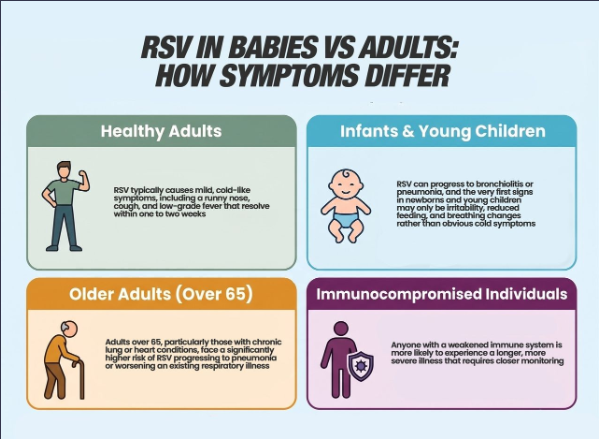
RSV can look very different depending on who is infected, and understanding those differences helps you recognize when something more serious may be happening.
- In healthy adults: RSV typically causes mild, cold-like symptoms, including a runny nose, cough, and low-grade fever that resolve within one to two weeks
- In infants and young children: RSV can progress to bronchiolitis or pneumonia, and the very first signs in newborns and young children may only be irritability, reduced feeding, and breathing changes rather than obvious cold symptoms
- In older adults: Adults over 65, particularly those with chronic lung or heart conditions, face a significantly higher risk of RSV progressing to pneumonia or worsening an existing respiratory illness
- In immunocompromised individuals: Anyone with a weakened immune system is more likely to experience a longer, more severe illness that requires closer monitoring
RSV vs Cold vs Flu: What Is the Difference?
Because RSV, the common cold, and the flu share overlapping symptoms, distinguishing between them can be difficult without testing, though some patterns help tell them apart.
- RSV: Usually starts with cold-like symptoms that gradually worsen, and in children can progress to wheezing and breathing difficulty by days 3 to 5 of illness
- Common cold: Typically produces milder symptoms overall and rarely leads to breathing difficulty or wheezing in otherwise healthy individuals
- Flu: Usually starts with a sudden high fever, unlike RSV, along with significant body aches and fatigue that come on abruptly rather than gradually
How Is RSV Treated?
There is no specific antiviral medication for most RSV infections, so treatment focuses on supportive care that helps manage symptoms while the body fights off the virus.
- Fluids and rest: Staying well hydrated and getting adequate rest support the immune system and help prevent complications like dehydration
- Fever reducers: Acetaminophen can help manage fever and discomfort in both children and adults, while aspirin should never be given to children
- Nasal saline and suctioning: For infants, saline drops and gentle suctioning with a bulb syringe help clear congestion and make breathing and feeding easier
- Cool mist humidifier: Moist air can ease congestion and reduce coughing, particularly helpful for young children struggling with a stuffy nose
- Diagnostic testing: A quick on-site lab test can confirm RSV and rule out other respiratory illnesses, helping guide the right treatment plan faster
- Hospital care for severe cases: Some infants and high-risk adults require hospitalization for oxygen support, IV fluids, or closer monitoring if symptoms progress
RSV Symptoms That Should Never Be Ignored!
Certain warning signs during an RSV infection indicate the illness has progressed beyond what can be safely managed at home.
- Rapid or labored breathing, or visible skin pulling in tightly around the ribs with each breath
- Blue, gray, or purple tint around the lips, mouth, or gums, signaling low oxygen levels
- Pauses in breathing, particularly concerning in infants
- Extreme fussiness, lethargy, or a baby who is unusually difficult to wake or console
- Signs of dehydration include dry mouth, no wet diapers for several hours, or sunken eyes
- Fever in an infant under 3 months, which always warrants prompt evaluation
When to Go to the ER?
Do not wait if you or your child is experiencing any of the following symptoms:
- Rapid, labored breathing or visible retractions around the ribs with each breath
- Blue, gray, or purple color around the lips, mouth, or gums
- Pauses in breathing or extreme difficulty breathing while feeding or drinking
- Severe lethargy or an infant who is unusually difficult to wake
- Signs of dehydration, such as no wet diapers for 8 or more hours or sunken eyes
- Any fever in an infant under 3 months old
Memorial Springs ER offers 24/7 walk-in emergency services with an average ER wait time of just 12 minutes, along with on-site labs and rapid evaluation for children and adults experiencing severe respiratory symptoms.
RSV Care at Memorial Springs ER
Most RSV cases can be managed comfortably at home, but breathing difficulty, dehydration, or symptoms in a very young infant require fast and reliable emergency care. At Memorial Springs ER, our board-certified physicians provide walk-in pediatric care with on-site labs and imaging to quickly evaluate respiratory symptoms in patients of all ages. According to the Texas Department of State Health Services, RSV activity in Texas typically increases during the fall and winter months, and our team is available around the clock to provide the fast, expert care your family needs during peak respiratory illness season.
Key Takeaways
- RSV is a highly contagious respiratory virus that usually causes mild cold-like symptoms but can be serious in infants and older adults
- Symptoms typically appear within 4 to 6 days and include a runny nose, cough, fever, and, in more severe cases, wheezing
- Infants may only show irritability, reduced feeding, and breathing changes rather than obvious cold symptoms
- There is no specific antiviral treatment for RSV, so care focuses on hydration, rest, and symptom management
- Rapid breathing, blue or gray skin color, and breathing pauses require immediate emergency evaluation
- Any fever in an infant under 3 months old should always be evaluated promptly
Trusted Health Resources
The medical information in this article is informed by guidelines from these authoritative organizations:
Medical Disclaimer
The information provided on this blog is for general informational and educational purposes only. It is not a substitute for professional medical advice, diagnosis, or treatment. Always seek the advice of a qualified healthcare provider regarding any medical condition. If you are experiencing a life-threatening medical emergency, call 911 or proceed immediately to the nearest emergency room.