
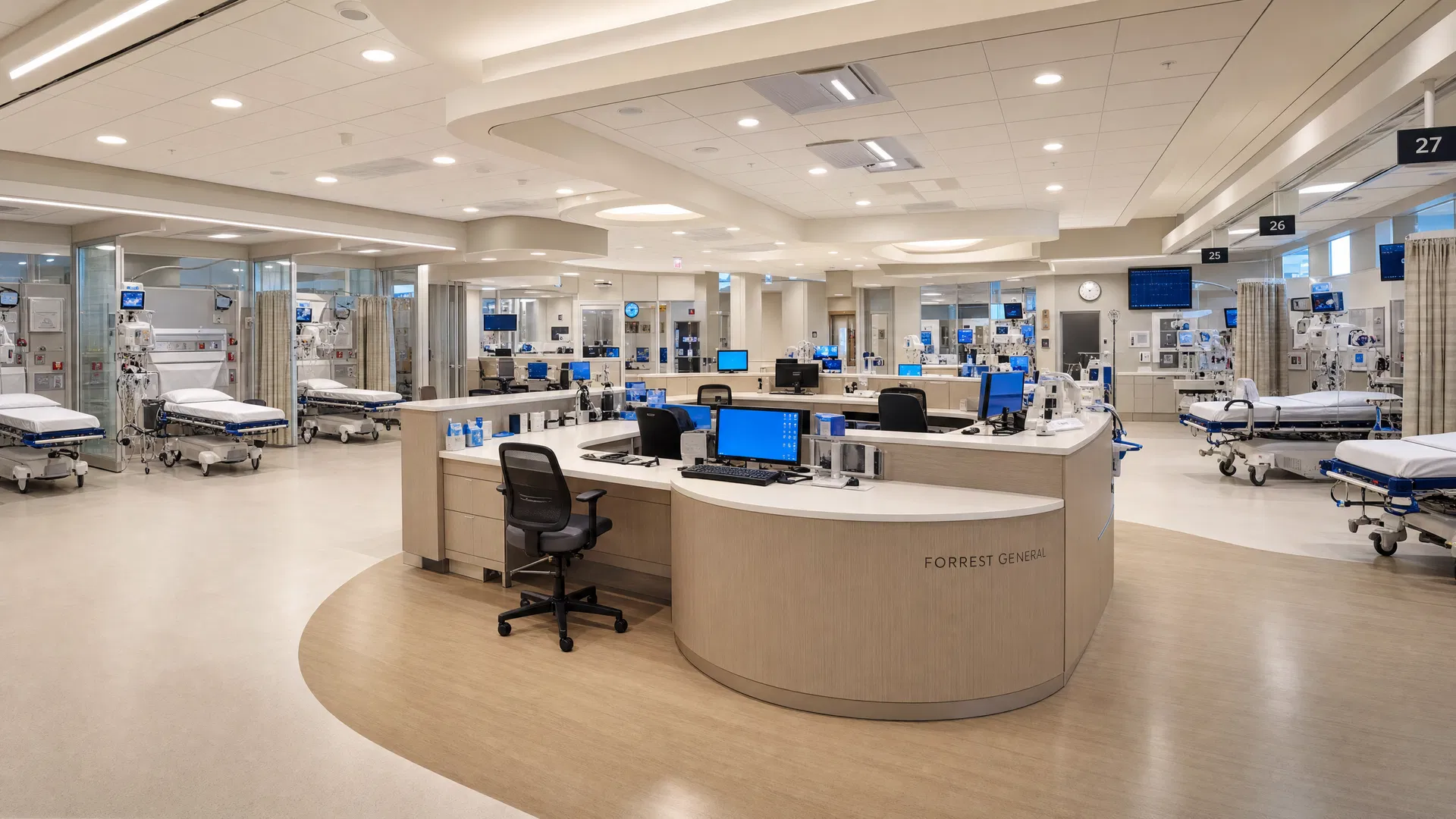
COPD Flare-Up: Signs You Need the ER Now
Living with chronic obstructive pulmonary disease (COPD) means learning to manage good days and bad days. But sometimes symptoms suddenly get much worse than usual. This is called a COPD exacerbation, or flare-up, and it can quickly become a medical emergency. Knowing when a flare-up can be managed at home and when to go to the ER can protect your lungs and your life.
Severe flare-ups can lower your oxygen levels within hours. If you are short of breath and need the emergency room closest to me, Memorial Springs ER in Spring, TX, is open 24/7.
What Is a COPD Exacerbation?
A COPD exacerbation is a sudden worsening of breathing symptoms that lasts longer than normal day-to-day changes, usually at least two days. During a flare-up, your airways become more inflamed and narrow, and more mucus builds up, making it even harder to move air in and out. Exacerbations are serious. Each one can cause lasting lung damage, and severe flare-ups are one of the most common reasons people with COPD are hospitalized.
Common Symptoms of a Flare-Up
- Shortness of breath that is worse than usual.
- More coughing.
- More mucus, or mucus that changes color to yellow, green, or brown.
- Wheezing or chest tightness.
- Fatigue and trouble sleeping.
- Needing your rescue inhaler more often.
What Triggers a COPD Exacerbation?
- Respiratory infections, such as colds, flu, RSV, COVID-19, and pneumonia, cause most flare-ups.
- Air pollution and smoke, including cigarette smoke, wildfire smoke, and ozone.
- Weather changes, since hot, humid Houston-area summers and sudden cold fronts can both affect breathing.
- Allergens, such as pollen, dust, and mold.
- Missed medicines, since skipping maintenance inhalers can lead to worsening symptoms.
What to Do at Home for a Mild Flare-Up
If your symptoms are only slightly worse and you have a COPD action plan from your doctor, follow it. This may include:
- Use your rescue inhaler or nebulizer as prescribed.
- Start steroids or antibiotics if your doctor gave you a rescue pack.
- Use pursed-lip breathing to slow your breathing.
- Rest in an upright position.
- Stay away from smoke and other triggers.
- Call your doctor to report your symptoms.
If your symptoms do not improve within a few hours, or they get worse, it is time to seek emergency care.
When to Go to the ER
Call 911 or go to the nearest ER right away if you have:
- Severe shortness of breath: You can’t catch your breath at rest, or you can’t speak a full sentence without stopping.
- No relief from your rescue inhaler: Your inhaler doesn’t help, or you need it much more often than usual.
- Blue or gray lips or fingertips: This is a sign of low oxygen in your blood.
- Oxygen levels below your usual range: If you use a pulse oximeter, a reading below 88%, or below the target your doctor set, is a warning sign.
- Confusion, drowsiness, or trouble staying awake: These can mean carbon dioxide is building up in your blood.
- Chest pain or a racing heartbeat: These can point to a heart problem or a severe flare-up and need to be checked right away.
- High fever: A high temperature, especially with worse coughing or colored mucus, may point to pneumonia.
- Swelling in your legs or ankles: New or worsening swelling can be a sign that COPD is putting strain on your heart.
Do not drive yourself if you are struggling to breathe. Ask someone to take you, or call 911.
What Happens in the ER
When you arrive, our team will check your oxygen level, breathing, and heart rate right away. Treatment may include:
- Bronchodilators, given through a nebulizer to open your airways.
- Steroids, which reduce inflammation.
- Oxygen therapy, which brings oxygen levels back to a safe range.
- Antibiotics, if a bacterial infection is suspected.
- Breathing support, such as BiPAP for severe cases.
Your physician may also order a chest X-ray, an EKG, and blood tests, including a blood gas test to measure oxygen and carbon dioxide. Our on-site lab services deliver fast results, so treatment decisions are not delayed.
How to Prevent Future Flare-Ups
- Take maintenance medicines every day, even when you feel well.
- Get flu, COVID-19, pneumococcal, and RSV vaccines.
- Quit smoking and avoid secondhand smoke.
- Ask your doctor about pulmonary rehabilitation.
- Check air quality alerts and stay inside on poor air days.
- Keep a written COPD action plan and share it with family.
Trusted COPD Flare-Up Care in Spring, TX
A COPD flare-up is not something to wait out, and quick treatment can protect your lungs. At Memorial Springs ER in Spring, TX, board-certified physicians care for patients from Spring, Klein, Tomball, The Woodlands, and North Houston with short wait times.
You can walk into our emergency room in Spring, TX, at any hour, day or night. We can check your oxygen level, breathing, and heart rate as soon as you arrive. If symptoms are life-threatening, call 911 first.
Key Takeaways
- A COPD exacerbation (flare-up) is a sudden worsening of symptoms that lasts at least two days. It can quickly become an emergency.
- Common signs include worse shortness of breath, more coughing, changes in mucus color, wheezing, and needing your rescue inhaler more often.
- Respiratory infections cause most flare-ups. Smoke, air pollution, weather changes, allergens, and missed medicines can also trigger them.
- For a mild flare-up, follow your COPD action plan. If symptoms don’t improve within a few hours or get worse, seek emergency care.
- Call 911 or go to the ER right away for severe shortness of breath, blue or gray lips, confusion, chest pain, high fever, or oxygen below 88% (or your doctor’s target).
- Don’t drive yourself if you’re struggling to breathe.
- Daily maintenance medicines, vaccines, and quitting smoking lower your risk of future flare-ups.
Frequently Asked Questions
How Long Does a COPD Exacerbation Last?
Most flare-ups last 7 to 10 days, but recovery can take several weeks, especially after a severe episode.
Can a COPD Flare-Up Go Away on Its Own?
Mild flare-ups may improve with your usual medicines, but many need steroids or antibiotics. Severe flare-ups always need medical care.
What Oxygen Level Is Dangerous for COPD?
Many people with COPD have a lower baseline. In general, readings below 88% or a drop below your normal range should be taken seriously.
Should I Go to Urgent Care or the ER for a COPD Flare-Up?
If you are having trouble breathing, go to the ER. Urgent care clinics may not have the equipment to treat severe low oxygen levels.