

What Is Pneumonia?
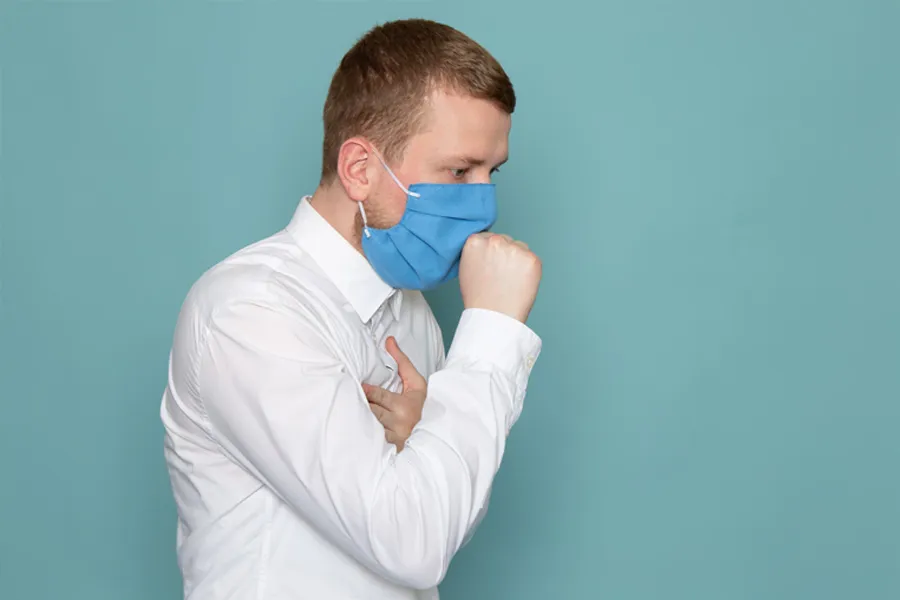
Pneumonia can start with symptoms that seem similar to a cold or flu, such as coughing, fever, chills, and fatigue, but the infection can become much more serious when it affects the lungs and interferes with breathing. If you or your child develops significant breathing difficulty, chest pain, bluish lips, confusion, or rapidly worsening symptoms, prompt medical evaluation is important. For children experiencing respiratory symptoms, an emergency room for pediatrics can provide immediate assessment and emergency care. Pneumonia can affect people of all ages, and its severity depends on the cause of infection, age, and overall health.
How Pneumonia Affects Lungs?
Pneumonia is an infection that affects one or both lungs. During pneumonia, the tiny air sacs in the lungs, called alveoli, can become inflamed and fill with fluid or pus. This can make it harder for the lungs to exchange oxygen effectively and may cause symptoms ranging from a mild cough to significant breathing problems.
Pneumonia can be caused by different types of germs, including bacteria, viruses, and fungi. The illness can range from mild to severe, and some people may require hospital-level treatment when the infection significantly affects breathing or causes complications.
What Causes Pneumonia?
Pneumonia occurs when infectious organisms reach the lungs and trigger inflammation. The specific cause can affect the symptoms, treatment, and potential severity of the illness.
Bacterial Pneumonia
Bacteria are a common cause of pneumonia in adults. Streptococcus pneumoniae is one of the most common bacterial causes in the United States. Bacterial pneumonia can develop on its own or occur after another respiratory infection, such as a cold or influenza.
Viral Pneumonia
Several respiratory viruses can cause pneumonia. Influenza, respiratory syncytial virus (RSV), and SARS-CoV-2 are among the viruses that can contribute to viral pneumonia. Viral respiratory infections may initially resemble a typical cold or flu before symptoms become more serious.
Fungal Pneumonia
Fungi can also cause pneumonia, although fungal pneumonia is less common. It may be more likely in people whose immune systems are weakened or who have certain environmental exposures.
What Are the Symptoms of Pneumonia?
Pneumonia symptoms can vary depending on the person, the infectious organism, and the severity of the infection. Common symptoms include:
- Cough: A cough may occur with or without mucus.
- Fever and Chills: Pneumonia may cause fever, chills, or changes in body temperature.
- Shortness of Breath: Breathing may become difficult, especially as the infection affects more of the lungs.
- Chest Pain: Pain may become more noticeable when breathing deeply or coughing.
- Fatigue: Significant tiredness or weakness may accompany the infection.
- Low Oxygen Levels: Pneumonia can interfere with oxygen exchange in the lungs.
- Nausea or Vomiting: Some people may experience gastrointestinal symptoms along with respiratory symptoms.
- Confusion: Older adults may develop confusion or unusual weakness instead of typical symptoms.
Symptoms are not always the same in children, older adults, or people with underlying health conditions. Babies may show feeding difficulties, vomiting, unusual tiredness, rapid breathing, or other signs of breathing distress.
Who Is at Higher Risk for Pneumonia?
Pneumonia can affect anyone, but certain people have a higher risk of developing serious illness or complications. Higher-risk groups include:
Young Children
Babies and young children, particularly those age 2 or younger, can be more vulnerable because their immune systems are still developing. Children who develop breathing problems or rapidly worsening respiratory symptoms may need prompt medical evaluation.
Older Adults
Adults age 65 and older have a greater risk of serious pneumonia. Older adults may also experience less typical symptoms, such as weakness, confusion, or a lower-than-normal temperature rather than a noticeable fever.
People With Certain Health Conditions
Asthma, COPD, diabetes, heart failure, kidney or liver disease, and conditions that weaken the immune system can increase the risk of pneumonia or more serious complications. Smoking can also make it harder for the respiratory system to clear mucus and defend against infection.
How Is Pneumonia Diagnosed?
Pneumonia can sometimes be difficult to distinguish from a cold or flu based on symptoms alone. A healthcare professional may review the person's symptoms and medical history and perform a physical examination, including listening to the lungs. Depending on the symptoms and suspected cause, diagnostic testing may include:
- Chest X-ray: Helps identify inflammation or changes associated with pneumonia.
- Blood Tests: May provide information about the body's response to infection.
- Pulse Oximetry: Measures oxygen saturation in the blood.
- Sputum Testing: May help identify the organism causing the infection.
- CT Scan: May provide more detailed images of the lungs when needed.
How Is Pneumonia Treated?
Pneumonia treatment varies based on the type of infection, the severity of symptoms, the person's age, and overall health. Mild cases may improve with treatment at home, while moderate or severe pneumonia may require medical monitoring or hospital-level care. A healthcare professional determines the appropriate treatment after evaluating the symptoms and suspected cause.
Antibiotics for Bacterial Pneumonia
When bacteria cause pneumonia, antibiotics may be prescribed to treat the infection. The specific medication and treatment duration depend on the suspected or confirmed bacteria and the person's individual circumstances. Antibiotics do not treat viral pneumonia.
Antiviral or Antifungal Treatment
Some viral infections that cause pneumonia may be treated with antiviral medications when appropriate. Fungal pneumonia may require prescription antifungal medication. Treatment is selected according to the organism responsible for the infection and the patient's condition.
Treatment for Severe Pneumonia
Severe pneumonia may require emergency or hospital-based care. Patients with significant breathing difficulties or low oxygen levels may need supplemental oxygen, intravenous fluids, medications, or other supportive treatments. Prompt medical evaluation is important when symptoms become severe or rapidly worsen.
Ways to Reduce the Risk of Pneumonia
Not every case of pneumonia can be prevented, but several measures can reduce the risk of respiratory infections and certain types of pneumonia.
- Stay Current on Recommended Vaccines: Vaccination can help prevent some infections that cause pneumonia.
- Wash Your Hands: Regular handwashing can reduce exposure to infectious germs.
- Avoid Smoking: Smoking can impair the lungs' ability to clear mucus and defend against infection.
- Manage Chronic Conditions: Keeping underlying health conditions under control may help reduce complications.
- Practice Respiratory Hygiene: Cover coughs and sneezes and avoid close contact with people who are sick when possible.
When Does Pneumonia Require Emergency Care?
Pneumonia can become a medical emergency when it significantly interferes with breathing or causes signs of serious illness. If symptoms are severe or rapidly worsening, seek emergency medical attention rather than waiting for them to improve. You can check the current ER wait time, but do not delay emergency care because of a wait-time estimate when serious symptoms are present.
- Severe difficulty breathing or shortness of breath
- Bluish or gray lips, face, or skin
- Persistent chest pain or pressure
- Confusion or inability to stay awake
- Severe weakness or difficulty remaining alert
- Signs of severe dehydration
- Rapid or labored breathing in a child
- Ribs pulling inward with each breath in a child
- Symptoms that improve and then suddenly return or worsen
Children with significant breathing problems require particular attention because respiratory distress can progress quickly. If a child is struggling to breathe, appears unusually sleepy, or develops bluish skin or lips, seek emergency medical evaluation promptly.
Can Pneumonia Cause Complications?
Many people recover from pneumonia, but serious infections can sometimes lead to complications. Severe pneumonia may affect oxygen levels and breathing and, in some cases, can contribute to respiratory failure or other serious health problems. Complications are more likely in young children, older adults, and people with significant underlying health conditions.
A worsening cough, increasing shortness of breath, persistent chest pain, confusion, or a sudden decline after initial improvement should not be ignored.
Pneumonia Emergency Care at Memorial Spring ER
When pneumonia symptoms become severe or breathing problems develop, timely medical evaluation matters. Memorial Spring ER in Spring, Texas, is open 24/7/365 and provides emergency care for adults and children. The facility has board-certified physicians, trauma-trained nurses, on-site laboratory services, CT, digital X-ray, and ultrasound capabilities to support emergency evaluation.
Memorial Spring ER also provides dedicated pediatric emergency care for infants, toddlers, and children who need prompt medical attention. If a child or adult develops severe breathing difficulty, chest pain, confusion, bluish lips or skin, or another serious warning sign, seek emergency care immediately rather than waiting for symptoms to improve.
Key Takeaways
- Pneumonia is an infection that causes inflammation and fluid or pus to build up in the air sacs of one or both lungs.
- Common symptoms include cough, fever, chills, chest pain, fatigue, and shortness of breath.
- Diagnosis may involve a physical examination, chest X-ray, blood tests, and oxygen-level testing.
- Severe breathing problems, chest pain, confusion, bluish skin, or rapidly worsening symptoms require immediate medical attention.
- Memorial Spring ER provides 24/7 emergency care for adults and children in Spring, Texas.